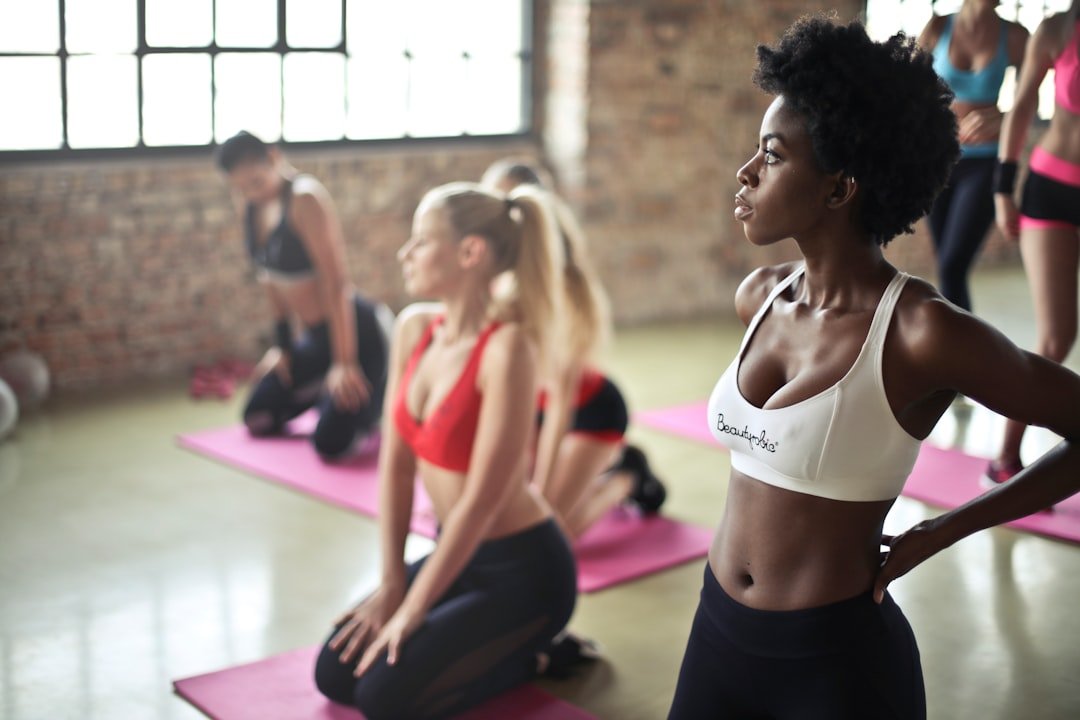
Cooling down after exercise is as important as the workout itself. A proper cool-down helps your body transition from high-intensity activity back to rest, reduces stiffness, and supports recovery so you can train consistently.
This guide explains why cooling down matters, how it affects muscles and the heart, and practical steps and tools to make your cool-down efficient and effective.
What is a cool-down?
A cool-down is a brief sequence (5–15 minutes) performed after the main workout that lowers heart rate, reduces muscle temperature, and gradually brings breathing and circulation back toward baseline. It typically combines light aerobic movement, mobility work, and targeted recovery techniques.
How cooling down helps your muscles
During exercise your muscles generate micro-tears and metabolic byproducts. Cooling down promotes gradual blood flow normalization and can make it easier for those byproducts to clear. Using self-massage and myofascial release tools as part of a cool-down can target tight areas and restore tissue quality; many people pair mobility drills with tools like Foam Rollers to smooth out knots and improve range of motion.
Reduce delayed onset muscle soreness (DOMS)
Light, controlled movement and targeted pressure can reduce the perception of soreness in the days after hard workouts. A dense, multi-density roller aimed at deeper tissue can help ease soreness more effectively than passive rest. For example, the TriggerPoint foam roller is designed to deliver consistent pressure to common problem areas and is a practical addition to a cool-down routine.
Improve flexibility and mobility
Static stretching immediately after exercise can be more effective because muscles are warm. Adding targeted rolling or handheld tools before or after stretches improves tissue compliance and joint mobility. A compact tool such as a muscle roller stick is convenient for quick calves, quads, hamstrings and hip-flexor work and helps you get deeper into a stretch safely.
Cardiovascular recovery and heart rate
Gradual reduction in intensity gives your cardiovascular system a chance to normalize. Abruptly stopping high-intensity work can cause lightheadedness or a rapid blood pressure shift in some people. Monitoring your recovery heart rate helps you gauge fitness and training stress—simple devices, including heart rate monitors, let you track how quickly your heart rate returns to baseline and guide the length and intensity of your cool-down.
Hydration during cool-down
Replenishing fluids during and after exercise supports circulation and recovery. Even modest dehydration can impair nutrient transport and slow recovery. Keep a refill handy and sip slowly as you wind down; a reliable option for routine use is a category of practical sports water bottles that fit bike cages, gym bags, or studio racks.
Refuel and repair: quick post-workout nutrition
Within 30–60 minutes after moderate to intense sessions, a mix of protein and carbohydrate helps muscle repair and glycogen restoration. A convenient way to prepare and carry a post-workout shake is a dedicated protein shaker bottle. It makes on-the-go recovery easier and encourages consistent refueling as part of your cool-down routine.
Compression and active recovery
Compression can support circulation and help reduce swelling or a sense of heaviness after long or intense sessions. Graduated compression sleeves or garments are often used during the immediate recovery window to promote venous return and comfort. Consider integrating compression recovery sleeves for targeted limb support after long runs or heavy leg days.
Heat and cold: when to use which
Both heat and cold can be useful in recovery, but they serve different purposes. Cold therapy (ice) is helpful for acute inflammation; heat is better for easing persistent tightness and improving tissue pliability before mobility work. Portable options like therapeutic pads make it straightforward to add heat into a cool-down when muscles feel stiff. A practical category to consider is heating pads for localized warmth and relaxation during or after cool-down stretches.
Simple cool-down routine you can use
5–12 minute sequence for general workouts:
- 2–4 minutes light aerobic movement (walking, slow cycling, or stepping in place)
- 2–4 minutes dynamic mobility (leg swings, shoulder circles, hip openers)
- 2–4 minutes targeted rolling or self-massage on tight areas
- 1–3 minutes gentle static stretches for major muscle groups
Checklist: what to do after your workout
- Walk or pedal lightly for 2–4 minutes to drop intensity gradually
- Perform 2–3 mobility drills for joints used in the workout
- Use a roller or stick on tight spots for 1–3 minutes
- Stretch major muscle groups briefly while muscles are warm
- Rehydrate with water and consider a post-workout snack/shake
- Apply compression or a heating pad if helpful for comfort
FAQ
Q: How long should a cool-down be?
A: Most cool-downs last 5–15 minutes; aim for longer after high-intensity or long-duration sessions.
Q: Can I skip cool-down if I’m short on time?
A: Skipping occasionally is unlikely to cause harm, but a brief 5-minute cool-down reduces dizziness and supports recovery—prioritize a short routine over nothing.
Q: Should I stretch before or after a workout?
A: Dynamic mobility before and static stretching after is a practical approach: warm muscles respond better to static stretches during the cool-down phase.
Q: Is foam rolling necessary?
A: It’s not mandatory, but foam rolling or using a roller stick can speed return to comfortable range of motion and reduce perceived tightness for many people.
Q: When should I use heat vs. ice?
A: Use ice for acute swelling or inflammation soon after injury; use heat for chronic tightness or to prepare tissues for mobility work as part of a cool-down.
Conclusion
Consistent cool-downs are a small time investment that pay off in reduced soreness, better mobility, and steadier training progress. Keep your routine simple—light movement, mobility, brief rolling or compression when useful, and hydration/nutrition—and your body will recover more reliably between sessions.
Products Featured in This Article
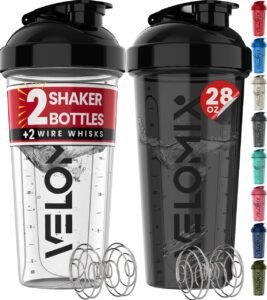
VELOMIX 2 Pack 28oz Protein Shaker …
From the brand Fastest Growing Shaker Brand Velomix is built on one idea: performance should be…
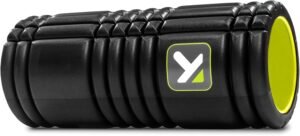
TriggerPoint Grid 1.0 Foam Roller &…
Whether you’re an athlete, an exercise junkie, or simply looking to relieve muscle pain, step up…
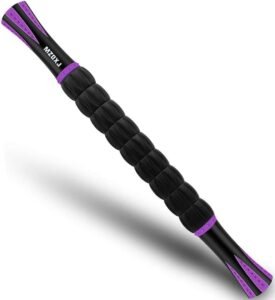
Muscle Roller Massage Roller Stick-…
Product description About MZDXJ: A Realm of Expert Sports Massage Add to Cart Add to Cart…