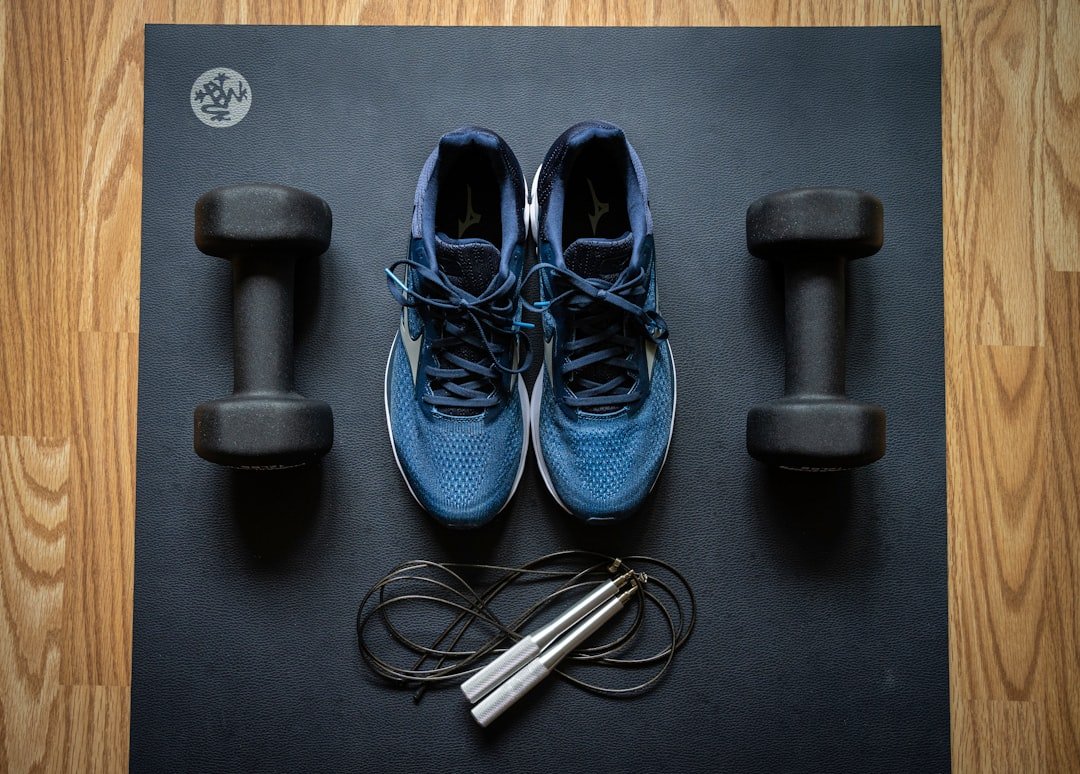
Creating a balanced fitness and wellness lifestyle is about steady, sustainable choices — not extreme routines. This guide gives clear, practical steps you can use right away to improve strength, cardio, recovery, nutrition and habit formation.
Use tools and small routines that fit your schedule, and scale them as you progress. If you need equipment or inspiration, check the EveFitness collection for curated options that support everyday consistency.
Start with realistic goals and simple metrics
Begin by defining what “balanced” means for you: strength, endurance, mobility, stress management, or a mix. Set one measurable primary goal (for example, increase weekly active minutes to 150) and one secondary habit (sleep 7–8 hours most nights). Track progress with simple metrics like days exercised, minutes of activity, and sleep quality. Keep goals specific, time-bound and adjustable so they stay motivating rather than overwhelming.
Design a balanced workout plan
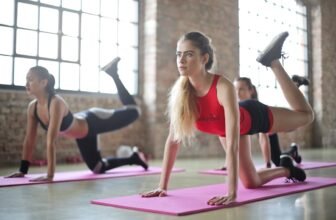
A weekly plan should include strength training 2–3 times, cardio 2–4 times, and dedicated mobility or flexibility work 2–3 times. Strength sessions can be short and effective: compound movements, progressive overload, and basic equipment are enough. For at-home strength, kettlebell work gives full-body benefit with minimal space; consider adding a few kettlebell movements into your routine to build strength and functional fitness without long gym sessions.
Start with two full-body strength workouts per week and add accessory work as needed — lunges, rows, presses, deadlifts and core protocols provide high return on time invested.
Shop kettlebells for compact, versatile strength options that scale from beginner to advanced.
Make cardio and daily movement sustainable
Cardio doesn’t have to be long or intense to be effective. Short interval sessions, brisk walks, or low-impact options can raise fitness steadily. For desk workers or those pressed for time, short movement bouts throughout the day maintain circulation and burn extra calories without a long workout block.
If you want to add walking or light jogging at home, a compact treadmill like the WalkingPad Z1 is a practical option for daily low-impact cardio that fits small spaces and can be used during busy days.
Consider an under-desk walking pad to increase steps without sacrificing productivity.
Prioritize recovery and mobility
Recovery is where gains consolidate and injury risk drops. Daily mobility work, foam rolling, and post-workout stretching help maintain range of motion and reduce soreness. Build a short recovery routine: 5–10 minutes of foam rolling focused on tight areas, then 5–10 minutes of targeted stretching.
A multi-density foam roller is a reliable tool for at-home self-massage that improves circulation and speeds return to training.
Use a foam roller as a regular part of your cooldown to support mobility and recovery.
Fuel smartly and stay hydrated
Nutrition that supports a balanced lifestyle is practical: prioritize lean proteins, whole grains, vegetables, healthy fats and consistent meal timing around workouts. Protein helps recovery and satiety; a post-workout protein shake combined with a balanced meal is an efficient strategy when time is limited.
Hydration matters for performance and recovery. Keep a dedicated shaker or bottle handy to make post-workout blends and track fluid intake. Small changes — like keeping a prepared shaker in your bag — remove friction and make healthy choices automatic.
A reliable protein shaker simplifies post-workout nutrition and supports consistency.
Use tracking and accountability tools
Consistent tracking helps you see trends and maintain motivation. Whether you prefer daily step counts, workout duration, heart-rate zones, or sleep score, pick the few metrics that matter and track them consistently. Wearables can simplify this process: choose one device to collect data so you can focus on behavior changes rather than constant logging.
For runners and multi-sport athletes, a GPS running watch gives accurate distance, pace and recovery metrics that help plan progressive training and prevent overreach.
A GPS running watch is a strong choice for reliable training data and objective feedback.
Prioritize rest, stress management and mental recovery
Fitness gains depend on how well you recover mentally and physically. Sleep quality, scheduled rest days, and short mindfulness or breathing practices reduce stress and improve focus. When legs feel heavy after high-volume training, targeted compression or pneumatic recovery tools can speed comfort and reduce perceived soreness on demanding schedules.
If you incorporate advanced recovery tech into busy training weeks, mobile dynamic compression tools offer a convenient way to support circulation and recovery without long clinic visits.
Consider portable compression tools for faster return-to-training when rest time is limited.
Checklist: Daily and weekly actions
- Daily: 7–8 hours sleep target, 20–30 minutes movement (walk or workout), 2–3 liters water or fluid equivalents.
- 3× per week: strength session (30–45 minutes) focused on major muscle groups.
- 2–4× per week: cardio sessions (20–40 minutes) — include at least one longer or higher-intensity session weekly.
- Recovery: 10 minutes foam rolling or mobility after sessions; one full rest day per week.
- Gear: keep a phone armband or pouch for hands-free tracking and safety on runs or walks: running phone armbands.
FAQ
- How often should I change my routine?
Adjust intensity or exercise selection every 4–8 weeks to avoid plateaus while keeping foundational movements consistent. - Is daily stretching necessary?
Short daily mobility work is valuable; full flexibility sessions 2–3 times weekly are sufficient for most people. - How do I balance strength and cardio when short on time?
Prioritize strength 2× weekly, and use short high-effort cardio intervals (20 minutes) on other days to maintain aerobic fitness. - What’s the best way to prevent overtraining?
Monitor performance, sleep, mood and resting heart rate; incorporate rest days and reduce volume when multiple indicators show persistent fatigue. - How do I stay consistent long-term?
Keep workouts short and scheduled, remove barriers (pack gear, prep shakes, set reminders), and focus on gradual, trackable progress.
Practical takeaway: pick one change this week — a 20-minute strength session, two days of targeted mobility, or consistent post-workout nutrition — and commit to it for four weeks. Small, consistent habits compound into a balanced fitness and wellness lifestyle.
Products Featured in This Article
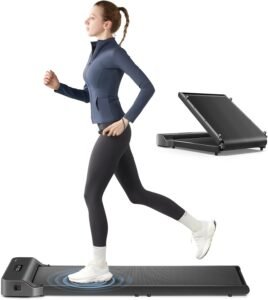
WalkingPad Z1 Foldable Walking Pad …
Folds in Half – Easy to Store, Easy to Love. This walking pad folds completely in…
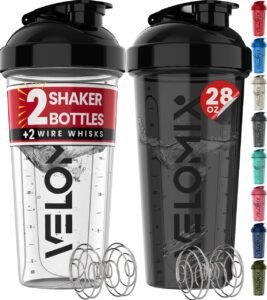
VELOMIX 2 Pack 28oz Protein Shaker …
From the brand Fastest Growing Shaker Brand Velomix is built on one idea: performance should be…
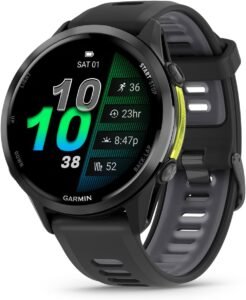
Garmin® Forerunner® 970, Premium …
For performance-driven runners, there’s Forerunner® 970 — the premium GPS running and triathlon smartwatch with our…
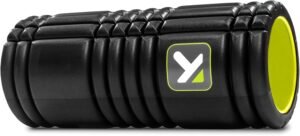
TriggerPoint Grid 1.0 Foam Roller &…
Whether you’re an athlete, an exercise junkie, or simply looking to relieve muscle pain, step up…
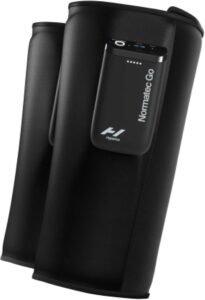
Hyperice Normatec Go Wireless Mobil…
Product description Portable dynamic air compression device Normatec Go The Normatec Go by Hyperice delivers targeted…