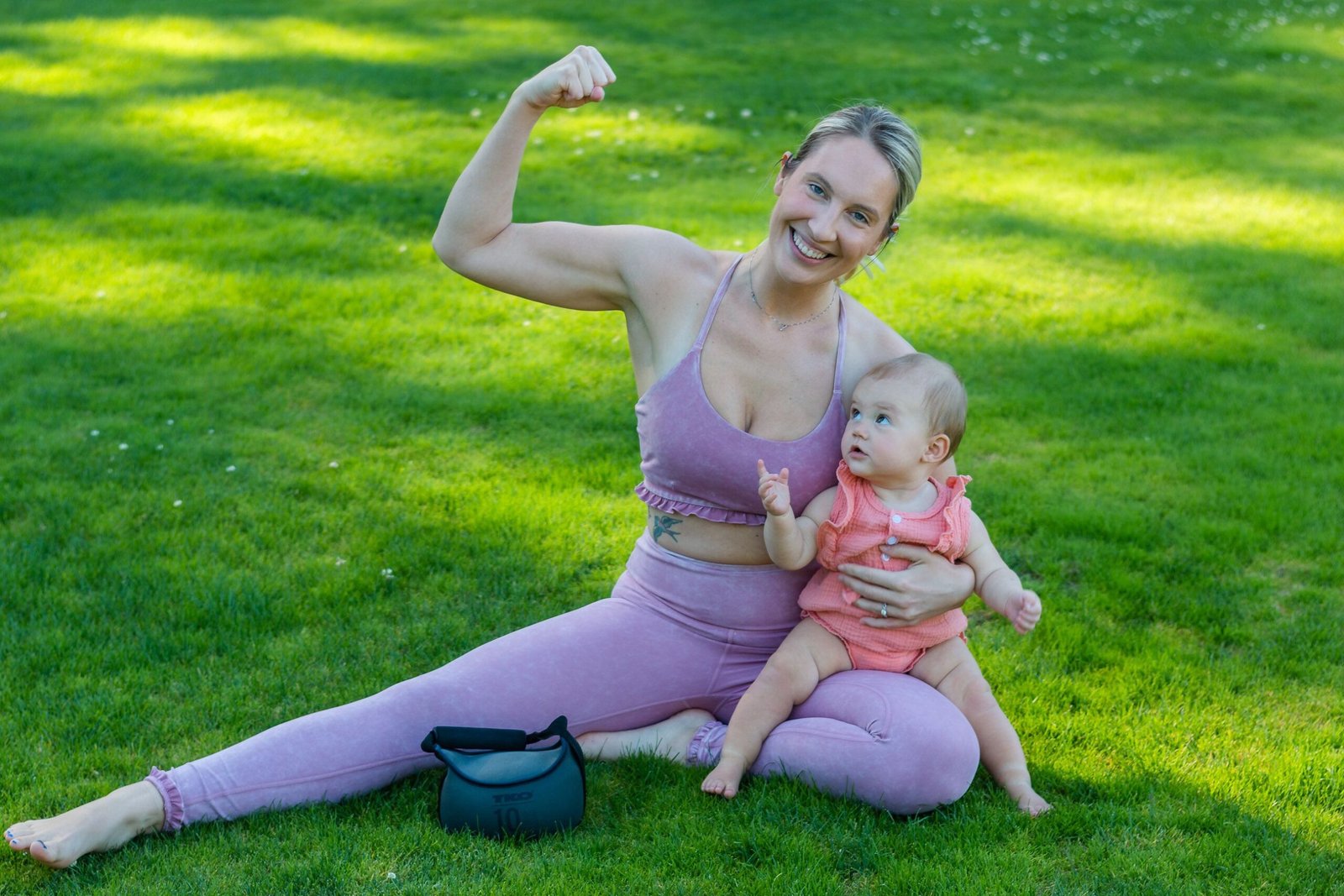
Gentle Postpartum Fitness Tips for New Mothers
Welcoming a new baby changes everything — including how you approach fitness. In the first weeks and months after childbirth, your body is rebuilding strength and adjusting to new routines. A gentle, practical plan helps you recover without adding stress.
This guide offers clear, evidence-informed tips for safe movement, pelvic-floor care, light strength work, and recovery strategies that fit around feeding and naps. Use these suggestions as a foundation and check with your healthcare provider before starting any new program.
1. Get medical clearance and set realistic expectations
Before you begin, get the green light from your doctor or midwife. Recovery varies depending on delivery type (vaginal vs. cesarean), complications, and pre-pregnancy fitness. Once cleared, set small, measurable goals: short walks, pelvic-floor exercises, and 10–15 minute strength sessions are excellent initial targets.
2. Start with pelvic-floor and core reconnection
Pelvic-floor strength and coordinated breathing are the foundations of postpartum fitness. Begin with gentle, daily pelvic-floor contractions (Kegels) and diaphragmatic breathing. If you’d like guided biofeedback and progress tracking, consider a pelvic trainer that pairs with an app to safely rebuild strength.
Perifit Pelvic Floor Trainer can help you track contractions and stay motivated with short games and progressive training.
3. Gentle cardio that fits baby’s schedule
Cardio helps mood, energy, and circulation. Start with low-impact options: regular walks, short stationary sessions at home, or seated movement while caring for your baby. Aim for multiple short bouts (10–20 minutes) rather than one long workout.
If you need a compact option for gentle movement you can do while seated at a nursing session or working from a laptop, a seated elliptical/pedal device provides low-impact activity without leaving your chair.
Cubii Move Under-Desk Elliptical is a portable tool to add light, consistent motion to your day.
4. Low-impact step options for progressive conditioning
Once walking feels comfortable, you can progress to short, low-resistance step workouts that increase heart rate gently without jarring the body. A mini stepper is useful for home sessions while baby naps and provides adjustable resistance for gradual progress.
Consider a compact stepper so you have an accessible, low-intensity cardio option for days when a longer walk isn’t possible.
Mini Stepper Machines offer a space-saving way to keep moving and build endurance safely.
5. Rebuild strength with pelvic- and posture-focused exercises
Start with bodyweight and light-resistance moves that prioritize posture, glute activation, and shoulder stability — areas often weakened by pregnancy and feeding. Examples: glute bridges, wall sits, seated rows with a band, and wall push-ups. Keep intensity low and focus on perfect form.
Light kettlebell work or adjustable dumbbells can be introduced later for functional strength once your core and pelvic floor have improved and you’ve progressed past the early postpartum stage.
6. Prioritize recovery: myofascial release, heat, and hydration
Recovery is essential. Short sessions of self-massage, foam rolling, and targeted soft-tissue work ease tightness in the back, shoulders, and hips — areas taxed by carrying and feeding a baby. Use heat for sore areas and hydrate to support recovery and breastfeeding.
A high-quality foam roller and a handheld roller stick are practical tools for quick relief at home.
TriggerPoint Grid Foam Roller and the Muscle Roller Stick are useful for quick, targeted relief.
For sore muscles or incision discomfort after a C-section, a heating pack on low can soothe pain and promote comfort during gentle movement.
Heating Pads for Muscle Pain can be helpful in moderation; always follow medical guidance about applying heat near surgical sites.
7. Use supportive gear thoughtfully
Supportive garments and equipment can reduce discomfort and aid confidence. Postpartum abdominal binders offer gentle compression for early recovery, and an exercise ball can provide a stable, low-impact seat for pelvic-floor work and gentle core activation.
Choosing the right products makes movement more comfortable during the early weeks.
Postpartum Abdominal Binders and a Pregnancy Exercise Ball are practical supports for comfort and functional movement.
8. Hydration, fueling, and simple accessories
Good hydration and balanced meals support milk supply, energy, and recovery. Keep a water bottle within reach during feeds and workouts, and consider a compact shaker if you use smoothies or recovery drinks between feeds.
Sports Water Bottles make staying hydrated easy during long days and late-night feeds.
Checklist: Quick postpartum fitness essentials
- Get medical clearance before beginning structured exercise.
- Daily pelvic-floor practice (short sessions, multiple times daily).
- Start with short walks and seated low-impact movement (5–20 minutes).
- Introduce gentle strength work: glute bridges, squats to chair, rows.
- Use foam roll or roller stick for tight muscles after activity.
- Use supportive gear (binder, exercise ball) for comfort if needed.
- Stay hydrated with an easy-to-reach water bottle.
- Prioritize rest and gradual progression — small wins add up.
FAQ
-
When can I start exercising after birth?
Timing depends on your recovery and delivery. Many women start gentle walking and pelvic-floor work in the first weeks if cleared by their provider. Always confirm with your clinician before beginning any new routine.
-
How do I know if my pelvic floor is ready for more intense exercise?
Signs of readiness include improved bladder control, decreased pelvic heaviness, and the ability to perform controlled pelvic-floor contractions without pain. If you’re unsure, use guided biofeedback with a pelvic trainer or consult a pelvic-floor physiotherapist.
-
Is it safe to use a postpartum binder?
Many find light compression helpful for comfort and mobility, particularly in the early weeks. Use a binder according to product instructions and your clinician’s advice, and avoid excessive tightness that restricts breathing or circulation.
-
How often should I foam roll or use self-massage?
Short sessions (5–10 minutes) after activity or on rest days can relieve tightness and improve mobility. Focus on shoulders, upper back, glutes, and calves — areas commonly stressed by caring for an infant.
-
What if I have diastasis recti?
If you suspect abdominal separation, avoid traditional crunches and heavy lifting initially. Focus on gentle, targeted core reconnection and seek guidance from a qualified therapist for progressive exercises tailored to your condition.
Conclusion
Postpartum fitness is about patience, consistency, and listening to your body. Start small with pelvic-floor reconnection, low-impact cardio, and gentle strength work. Use supportive tools like a pregnancy exercise ball, binder, or a compact seated fitness device to make movement realistic around baby care. Small, consistent sessions will rebuild strength and energy without overwhelming your recovery.
Practical takeaway: Begin with daily pelvic-floor practice, short walks, and one simple strength move per day — keep hydration close by with a convenient water bottle and use gentle recovery tools to stay comfortable as you rebuild.
Products Featured in This Article
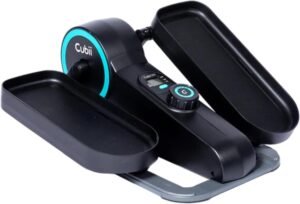
Cubii Move – Under Desk Ellip…
Product description The video showcases the product in use.The video guides you through product setup.The video…
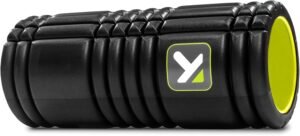
TriggerPoint Grid 1.0 Foam Roller &…
Whether you’re an athlete, an exercise junkie, or simply looking to relieve muscle pain, step up…
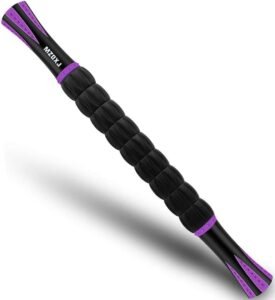
Muscle Roller Massage Roller Stick-…
Product description About MZDXJ: A Realm of Expert Sports Massage Add to Cart Add to Cart…
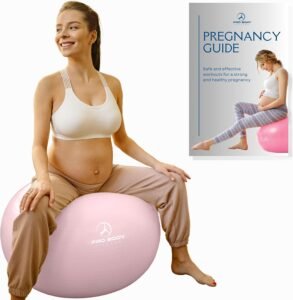
ProBody Pilates Pregnancy Ball R…
Stay active and healthy during your pregnancy with the ProBody Pilates Birthing Ball – a heavy-duty,…
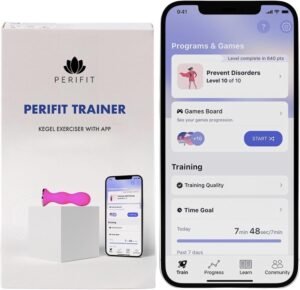
Perifit Pelvic Floor Trainer, Kegel…
Product description Package Dimensions : 5.51 x 3.23 x 1.65 inches; 5.61 ounces Item…