Pelvic Floor Exercises: A Beginner-Friendly Guide
Your pelvic floor is a group of muscles that supports your bladder, uterus (if you have one), and bowel. Strengthening these muscles improves bladder control, sexual function, and contributes to better core stability. This guide gives practical, evidence-informed steps to start pelvic floor training safely and sustainably.
Read through the exercises, posture tips, and recovery tools. Use the short checklist to begin today and the FAQ if you’re unsure about common questions. If you have serious symptoms (heavy prolapse, repeated infections, sudden pain), talk with a healthcare professional before starting new exercises.
What the pelvic floor does — simple and practical
The pelvic floor acts like a hammock. It supports pelvic organs, helps control urine and bowel motions, and coordinates with your breathing and core to stabilize the spine. Weakness or poor coordination can cause leaks, urgency, or a feeling of heaviness. Strength and control are different: you need both the ability to squeeze and to relax at the right times.
How to locate and feel your pelvic floor
Before you train, learn to identify the muscles. Two simple checks: while seated or lying, try to stop the flow of urine midstream (only as a test, not a regular exercise). Or imagine shortening the distance between your tailbone and pubic bone and lifting inward. You should feel a subtle lift and squeezing around the urethra and anus without tensing your buttocks, thighs, or breathing unnaturally.
Using a stable, comfortable surface helps when learning—consider a supportive mat for floor practice like the Yoga Mat Double-Sided Non Slip for comfortable, non-slip positioning during exercises.
Beginner exercises: clear, progressive steps
Start with simple, low-rep work and build volume over weeks. Focus on good technique rather than intensity.
- Quick flicks: fast squeeze-and-release, 10–15 reps. Train the reflexive, quick-contraction muscles used when you cough or sneeze.
- Slow holds: contract gently and hold for 5–10 seconds, relax for the same time. Repeat 5–10 times. Aim to build to 10-second holds and 10–15 reps over weeks.
- Endurance holds: submaximal contractions held for 20–30 seconds once your strength allows.
Consistency matters: aim for 3 sessions per day at first, integrated into routine moments (after brushing teeth, before getting out of bed, during TV commercials).
If you want guided feedback and progress tracking, devices can help. The Perifit Pelvic Floor Trainer provides biofeedback and guided games to reinforce correct contraction and relaxation patterns.
Breathing, posture, and movement — how to integrate pelvic floor work
The pelvic floor works with the diaphragm and deep core. Breathe normally while you contract; avoid holding your breath. Practice contractions during neutral-spine positions first: seated, supine with knees bent, and standing. Progress to adding contractions during functional activities—light lifting, squats, or stair climbing—once technique is consistent.
Use a structured practice surface and space; a dedicated practice area helps adherence. Browse the Yoga Mats category for options that suit small-space home practice.
Postpartum considerations: gentle progression and supportive tools
After childbirth the pelvic floor needs time and appropriate progressive rehabilitation. Early on, focus on gentle activation and relaxation. Avoid heavy lifting and intense impact until cleared by your provider. Symptoms like persistent leaking or bulging should be assessed.
Supportive accessories can ease the early weeks: the Frida Mom Belly Binder offers external support during recovery, helping you maintain posture while you retrain core and pelvic floor.
For gentle pelvic-friendly conditioning and movement, an exercise ball designed for pregnancy and postnatal use can help with stability, pelvic tilts, and breathing exercises—see the ProBody Pilates Pregnancy Ball.
Recovery tools and self-care to support training
Soreness or tightness in surrounding muscles (glutes, lower back) can impact pelvic floor function. Self-massage and myofascial tools can help restore flexibility and comfort so you can perform contractions properly.
For targeted tissue work use a reliable foam roller—like the TriggerPoint Grid 1.0 Foam Roller—to release the lower back and glutes before or after training.
For precise trigger-point massage along muscle lines, a handheld roller stick such as the Muscle Roller Massage Roller Stick is useful for quick self-treatment sessions.
How to add pelvic floor exercises to a broader fitness plan
Pelvic floor training complements strength and cardio work. Do pelvic floor sets before heavier lifts or integrate them into warm-ups and cooldowns. When you advance to loaded movements, practice coordinating the pelvic floor with bracing—not a maximal squeeze, but a timed, supportive engagement.
Nutrition and hydration support tissue recovery. Keeping a protein drink or shake handy can help post-workout refueling; consider a convenient Protein Shaker Bottles for easy recovery drinks after sessions that include pelvic floor training and strength work.
Checklist: Starting pelvic floor training today
- Learn to locate the pelvic floor with short tests (stop flow briefly as a check only).
- Practice quick flicks and slow holds—3 sessions a day to start.
- Maintain normal breathing and neutral spine during contractions.
- Use supportive tools (mat, ball, gentle binder) if needed for comfort.
- Track progress—strength and endurance should improve over weeks.
- See a clinician for persistent pain, heavy prolapse symptoms, or worsening leakage.
FAQ
- How long before I notice improvement? Many people notice better control in 4–8 weeks with consistent practice, but timelines vary. Aim for repetition and correct technique.
- Can I overtrain the pelvic floor? Yes—excessive tightness or constant squeezing can cause problems. Balance strengthening with relaxation and breathing work.
- Is a device necessary? No. Devices can offer biofeedback and motivation, but manual training with correct technique is effective for many people.
- Should I do pelvic floor exercises while lifting heavy weights? Learn coordination first; then practice timed engagement during lifts. If you experience bulging or pain, reduce load and consult a professional.
- Are pelvic floor exercises safe during pregnancy? Generally yes—gentle activation is recommended. Discuss specifics with your prenatal care provider before starting.
Conclusion — practical takeaway
Start small and consistent: learn to feel the pelvic floor, practice quick and slow contractions daily, and add progression over weeks. Use supportive tools when helpful and prioritize breathing and relaxation alongside strength. If symptoms are severe or don’t improve, seek professional assessment. A steady, technique-first approach will give the best long-term results.
Products Featured in This Article
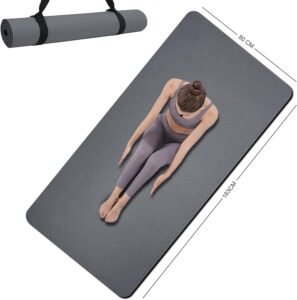
Yoga Mat Double-Sided Non Slip, 72&…
Yoga Mat COMFY · HIGHLY ELASTIC TPE MATERIAL — More expensive but worth it. TPE is…
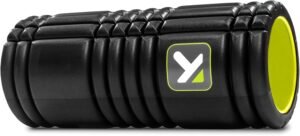
TriggerPoint Grid 1.0 Foam Roller &…
Whether you’re an athlete, an exercise junkie, or simply looking to relieve muscle pain, step up…
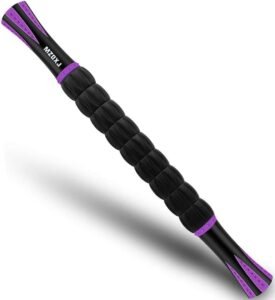
Muscle Roller Massage Roller Stick-…
Product description About MZDXJ: A Realm of Expert Sports Massage Add to Cart Add to Cart…
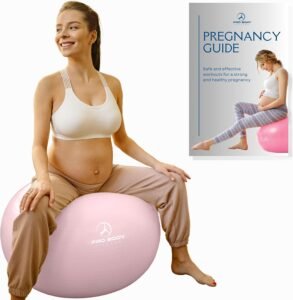
ProBody Pilates Pregnancy Ball R…
Stay active and healthy during your pregnancy with the ProBody Pilates Birthing Ball – a heavy-duty,…
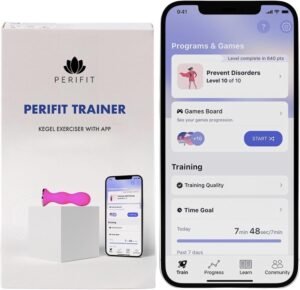
Perifit Pelvic Floor Trainer, Kegel…
Product description Package Dimensions : 5.51 x 3.23 x 1.65 inches; 5.61 ounces Item…
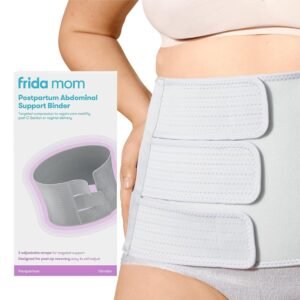
Frida Mom Belly Binder, Postpartum …
Give your insides some backup with the Postpartum Abdominal Support Binder. Designed with 3 adjustable straps…