Deciding what to wear for yoga, running, and strength training shouldn’t be complicated. The right clothes and gear help you move better, stay comfortable, and reduce distractions—so you can focus on form and progress.
EveFitness offers a simple framework to choose practical pieces for each activity: prioritize fit, fabric, and purpose. Below are clear, actionable guidelines for each sport plus accessory and recovery recommendations you can use right away.
Yoga: comfort, stretch, and grip
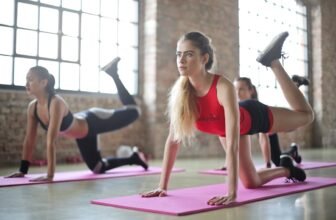
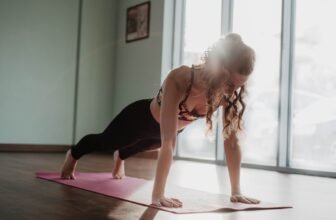
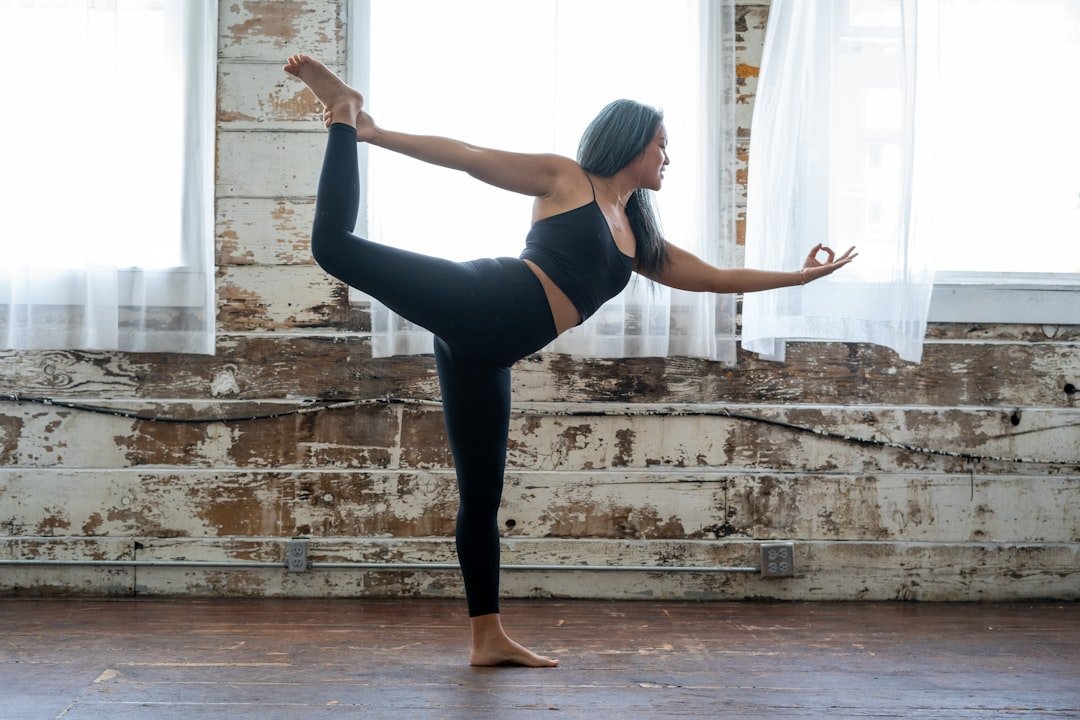
Yoga clothing should move with you. Look for leggings or shorts with four-way stretch, a secure high or mid-rise waistband, and a soft, moisture-wicking fabric that won’t show sweat patches during flow. A supportive, low-to-medium impact sports bra works for most classes; choose one that feels snug but not restrictive.
If you use props, a stable exercise ball or Pilates ball can support balance, core work, and prenatal modifications. Consider a trusted yoga or Pilates ball like the ProBody Pilates Pregnancy Ball as a multipurpose prop for mobility drills and restorative poses.
Running: lightweight, visible, and weather-appropriate
Running gear depends on distance and conditions. For short runs in warm weather, a breathable singlet or tee and running shorts with a liner are ideal. For longer runs or cooler weather, add a lightweight, wind-resistant layer. Prioritize fabrics that wick sweat and dry quickly to avoid chafing and thermal discomfort.
For training and pacing, wearable tech is hugely helpful. A dedicated running GPS can track distance, pace, and routes reliably; consider looking at the range of GPS Running Watches when choosing a watch that fits your goals and budget.
Strength training: stable, durable, and safe
Strength sessions require garments that let you hinge, squat, and press without shifting. Choose fitted tops (so sleeves don’t get in the way of equipment) and bottoms with stretch plus enough coverage to prevent riding down during squats and deadlifts. Avoid overly baggy clothing that can catch on machines or barbells.
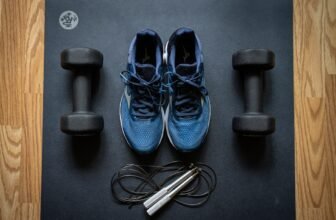
For home or minimal-equipment gyms, a compact set of adjustable weights lets you progress without clutter. If you’re building a home setup, an Adjustable Dumbbells Set All in One is a practical space-saving choice that covers most strength-progressions from beginner to intermediate.
Layering and fabric choices across activities
Fabric matters more than fashion for performance. Key materials to favor:
- Moisture-wicking synthetics (polyester blends) for running and high-sweat sessions
- Soft, breathable blends (modal or cotton mixes) for low-intensity yoga and cool-downs
- Compression pieces for support during heavy lifts or recovery phases
For chilly starts, use a thin base layer plus a wind-resistant shell. Avoid cotton for intense training—cotton holds moisture and increases friction against skin.
Footwear and socks: match the activity
Your shoe choice is activity-specific. Yoga typically uses barefoot or thin, stable studio socks with grip. Running requires a shoe that matches your gait and distance—daily trainers for easy miles, stability or motion-control shoes if you overpronate, and lighter trainers for speed work. Strength training benefits from flat, stable shoes for grounded lifts; minimalist or weightlifting-specific shoes are preferable for maximal force transfer.
Performance socks that manage moisture and prevent blisters are a small investment that pays off in comfort and fewer hotspots.
Accessories and tech that actually help
Bring only what improves the session. For runners: a secure arm or waist carry reduces bounce and prevents distractions. If you prefer keeping your phone close, look for a reliable armband option—there are purpose-built Running Phone Armbands designed to fit modern phone sizes and stay put during sprints and long runs.
Hydration and post-workout nutrition matter across disciplines. A decent shaker or bottle keeps recovery simple—consider a tried shaker for mixing protein or pre-workout quickly like the VELOMIX 2 Pack 28oz Protein Shaker.
Recovery and mobility: what to use after the session
Recovery gear speeds return to readiness. A quality foam roller helps alleviate tightness and improve mobility—especially after long runs or heavy leg days. The TriggerPoint Grid 1.0 Foam Roller is a good, durable option for at-home rolling sessions.
For targeted work and travel-friendly rolling, handheld sticks reach calves and quads effectively; a portable choice like the Muscle Roller Massage Roller Stick is useful for quick post-run relief or between sets to manage soreness.
Checklist: quick decisions before you head out
- Yoga: fitted top, high-rise stretchy leggings, grippy mat or studio socks
- Running: moisture-wicking layers, reflective element for low light, appropriate running shoes
- Strength training: stable shoes, snug top, waistband that stays put, gloves only if needed
- Tech & carry: GPS watch or phone armband for runs, shaker for post-workout nutrition
- Recovery: foam roller or massage stick, basic stretching 5–10 minutes after sessions
FAQ
What’s the most important clothing feature for each activity?
Yoga: four-way stretch and a secure waistband. Running: moisture-wicking fabric and visibility. Strength: stability and non-restrictive fit that won’t shift during moves.
Can I use the same leggings for yoga and running?
Yes—many leggings work across activities. Choose a pair with good compression, breathability, and a secure waistband; if you’re doing hot yoga or long runs, ensure the fabric handles sweat well.
Do I need a special sports bra for each activity?
Support levels matter: low-impact bras for yoga, medium-to-high support for running and higher-impact strength work. If you mix activities frequently, a medium-support bra with adjustable straps is versatile.
How should I choose running shoes?
Consider your weekly mileage, foot strike, and comfort. Visit a specialty running store for gait analysis if possible, and replace shoes every 300–500 miles depending on wear and running surface.
Is compression gear worth it?
Compression can help with muscle support and perceived recovery for some people. Use it where it feels beneficial—during long runs or recovery days—not as a cure-all.
Conclusion
Choose clothing and gear that match the movement: flexibility and grip for yoga, breathability and visibility for running, stability and coverage for strength training. Keep a concise kit for each activity and add one or two versatile tools (a GPS watch or an armband, a good shaker, and a foam roller) to simplify training and recovery.
Products Featured in This Article
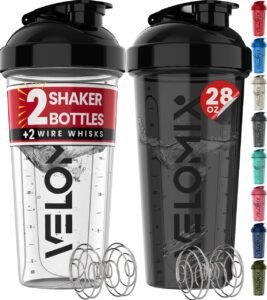
VELOMIX 2 Pack 28oz Protein Shaker …
From the brand Fastest Growing Shaker Brand Velomix is built on one idea: performance should be…
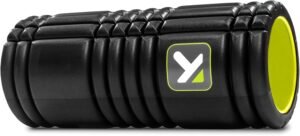
TriggerPoint Grid 1.0 Foam Roller &…
Whether you’re an athlete, an exercise junkie, or simply looking to relieve muscle pain, step up…
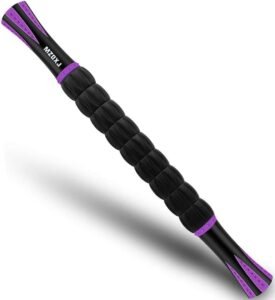
Muscle Roller Massage Roller Stick-…
Product description About MZDXJ: A Realm of Expert Sports Massage Add to Cart Add to Cart…
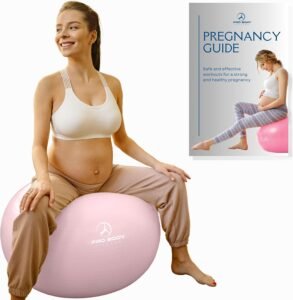
ProBody Pilates Pregnancy Ball R…
Stay active and healthy during your pregnancy with the ProBody Pilates Birthing Ball – a heavy-duty,…