
Simple Post-Workout Recovery Tips for Women
Recovery is the bridge between workouts and progress. Spend a few intentional minutes after training to reduce soreness, lower injury risk, and preserve energy for your next session.
These practical, evidence-based tips focus on what you can do right away—and what gear can help. For trusted products that support recovery at home or on the go, check out EveFitness.
1. Prioritize Hydration and Electrolytes
Hydration affects muscle function, joint lubrication, and recovery speed. Aim to replace fluids lost during exercise within the first 30–60 minutes post-workout—especially after high-intensity or long-duration sessions.
A sturdy, insulated bottle makes it easier to sip consistently throughout the day. Consider a durable squeeze bottle like the Gatorade Insulated Squeeze Bottle so cold fluids and electrolyte drinks stay ready when you need them.
2. Refuel with Protein and Balanced Carbs
Consuming protein within 45–90 minutes after training helps supply amino acids for muscle repair. Pair protein with some carbohydrates for glycogen restoration if your session was longer than 45 minutes.
For convenience, keep a reliable shaker on hand to mix shakes or recovery drinks quickly. A product like the VELOMIX 28oz Protein Shaker can be a simple, mess-free option for post-workout mixes.
3. Do a Short, Focused Cooldown
A 5–10 minute cooldown of low-intensity movement helps lower heart rate gradually and reduces blood pooling in the legs. Light walking, gentle cycling, or stepping at a reduced pace promotes circulation and speeds metabolic waste removal.
If you spend time at a desk or want a compact tool for gentle movement after workouts, under-desk movement devices are a helpful option; consider Under Desk Pedal Exercisers for active recovery that fits into a busy routine.
4. Use Mobility and Foam Rolling for Tight Muscles
Foam rolling and targeted mobility drills help restore range of motion and decrease stiffness. Focus on major groups you trained—quads, hamstrings, glutes, calves, and the upper back—spending 1–2 minutes per area with controlled pressure.
A quality roller can make self-massage more effective and comfortable. Tools like the TriggerPoint Grid 1.0 Foam Roller provide structured pressure for deep tissue work without needing a therapist present.
5. Add Handheld Tools for Targeted Release
Handheld rollers and sticks let you control pressure on knots and tender spots, which is especially helpful for calves, hamstrings, and lateral thigh tightness. Use slow, deliberate passes and pause on tight spots for 20–30 seconds.
A compact option for targeted myofascial release is the Muscle Roller Massage Stick, which is easy to pack for travel or to keep in a gym bag.
6. Consider Compression and Heat for Circulation and Comfort
Compression helps manage swelling and supports circulation when used after intense training or long periods of standing. Lightweight compression sleeves can be worn during the recovery window and while resting.
If you want ongoing support for ankles, arms, or legs after a session, look at Compression Recovery Sleeves. Combine compression with local heat (when appropriate) to ease stiffness—apply heat briefly for tight muscles but avoid using heat on acute swelling.
7. Postpartum and Special Considerations
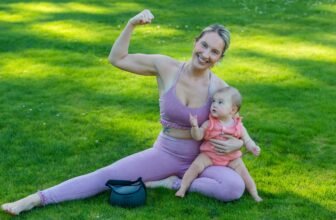
If you’re returning to exercise after pregnancy, recovery and support needs change—core support, pelvic floor care, and graduated return-to-exercise plans are key. Use supportive garments and follow a clinician’s guidance for a safe timeline.
For abdominal support and comfort during the early postnatal recovery phase, items such as postpartum abdominal binders can provide gentle compression and help with daily movement as you rebuild strength.
8. Sleep, Stress Management, and Consistency
Quality sleep and stress reduction are foundational to recovery. Aim for consistent sleep patterns, prioritize winding down after workouts, and use relaxation techniques—breathwork, stretching, or a warm shower—to lower sympathetic nervous system activity.
Recovery is cumulative: small daily choices add up. Keep a simple routine that you can realistically repeat most days rather than chasing complex strategies you won’t follow consistently.
Quick Recovery Checklist
- Hydrate immediately after exercise; sip fluids over the next 1–2 hours.
- Consume ~20–30g protein and some carbs within 45–90 minutes.
- Move gently for 5–10 minutes as a cooldown.
- Spend 5–10 minutes foam rolling or using a massage stick on tight areas.
- Use compression or brief localized heat for persistent tightness or swelling.
- Prioritize 7–9 hours of sleep and schedule low-intensity days each week.
FAQ
Q: How long should I foam roll after a workout?
A: Aim for 5–10 minutes total, focusing 1–2 minutes per tight area. Avoid excessive force—comfortable pressure with slow movements is most effective.
Q: Do I always need a protein shake post-workout?
A: No. Whole-food protein sources work well too. A shake is convenient when time is limited or you need an easy, portable option.
Q: When is ice better than heat?
A: Ice is typically preferred for acute swelling or new injuries to reduce inflammation. Heat can relieve chronic tightness and stiffness but avoid heat on recently swollen areas.
Q: Can compression sleeves speed recovery every day?
A: Compression can reduce perceived soreness and help circulation for many people, especially after long efforts. Use them as part of your recovery toolbox and see what feels best for you.
Q: How soon can I return to intense training after a heavy session?
A: Recovery time varies by intensity, volume, sleep, and nutrition. Listen to your body—if fatigue or soreness persists beyond 48–72 hours, reduce intensity or volume and allow more recovery.
Conclusion
Fast recovery doesn’t require complicated routines—focus on hydration, timely protein, a short cooldown, targeted mobility work, and consistent sleep. Add a few supportive tools that fit your lifestyle, like a reliable shaker, a foam roller, or compression sleeves, to make these steps easier to follow.
Practical takeaway: build a 10–15 minute post-workout habit that combines hydration, a quick cooldown, and targeted mobility. Repeat it consistently to recover faster and train smarter.
Products Featured in This Article
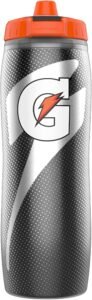
Gatorade Insulated Squeeze Bottle
To calculate the overall star rating and percentage breakdown by star, we don’t use a simple…
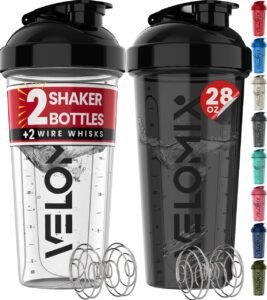
VELOMIX 2 Pack 28oz Protein Shaker …
From the brand Fastest Growing Shaker Brand Velomix is built on one idea: performance should be…
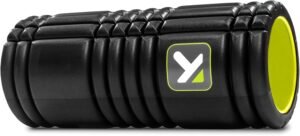
TriggerPoint Grid 1.0 Foam Roller &…
Whether you’re an athlete, an exercise junkie, or simply looking to relieve muscle pain, step up…
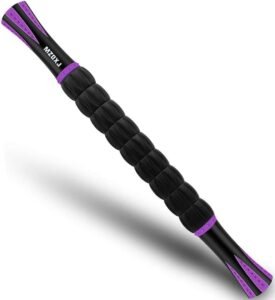
Muscle Roller Massage Roller Stick-…
Product description About MZDXJ: A Realm of Expert Sports Massage Add to Cart Add to Cart…
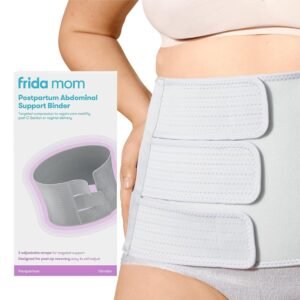
Frida Mom Belly Binder, Postpartum …
Give your insides some backup with the Postpartum Abdominal Support Binder. Designed with 3 adjustable straps…