Simple Pilates Exercises You Can Do at Home
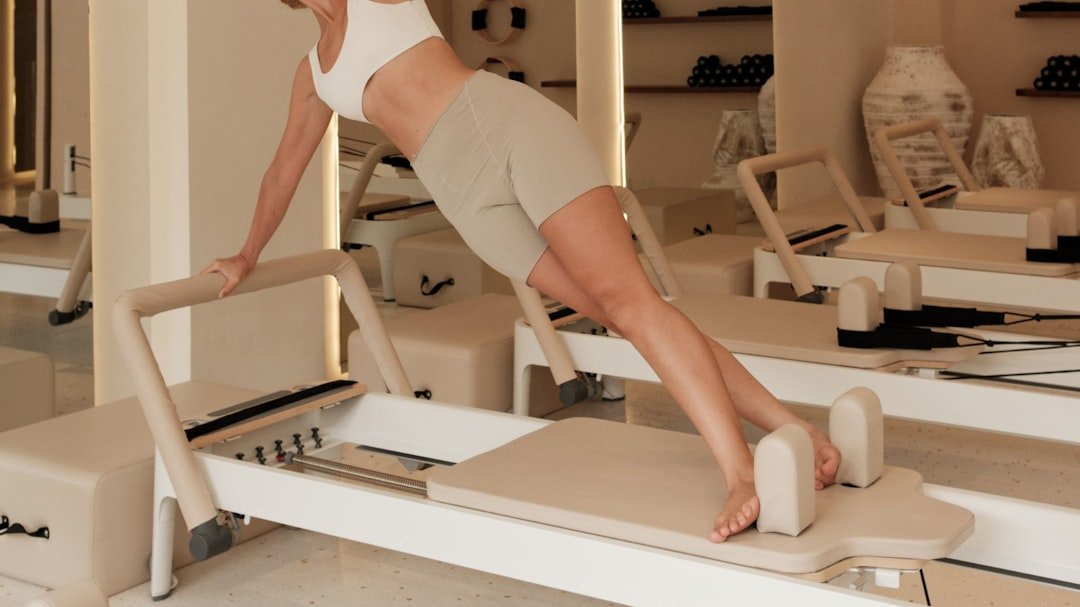
Pilates is a highly effective way to build core strength, improve posture, and increase mobility using minimal space and equipment. You don’t need a studio: a clear spot on the floor and a few smart choices will let you practice consistently at home.
This guide gives straightforward, practical Pilates exercises, setup tips, and recovery suggestions so you can build a safe, effective routine. Each exercise includes cues and easy modifications so you can progress gradually.
Why Pilates Works for Home Fitness
Pilates emphasizes control, breath, alignment, and slow, purposeful movement. That makes it ideal for home practice because quality matters more than quantity: a focused 20–30 minute session can deliver measurable improvements. It trains the deep stabilizers of the spine and hips, which supports daily movement and reduces compensatory patterns from sitting or repetitive tasks.
What You Need: Simple Equipment That Helps
You can do most Pilates with no equipment, but a few items make exercises safer and more comfortable. For example, an exercise ball is useful for balance, support and progression; it’s especially helpful for beginners and those returning from injury.
ProBody Pilates Pregnancy Ball works well as a stable, supportive prop in place of or in addition to mat work.
Also consider a lightweight, absorbent gym towel to keep sweat controlled and mat surfaces safe.
VENTURE 4TH Quick Dry Microfiber Towel is compact, dries quickly, and helps maintain grip on your mat for stability-focused moves.
Warm-Up and Mobility (5–8 minutes)
Start every session with a brief warm-up to prime the nervous system and increase joint mobility. Focus on gentle spinal articulation, hip circles, and ankle mobility.
Light myofascial release before or after a session reduces stiffness and improves range of motion. A foam roller or roller stick can be used to mobilize the back, glutes and hips before working on control-based Pilates moves.
TriggerPoint Grid 1.0 Foam Roller is compact and effective for rolling the thoracic spine and hips.
Muscle Roller Massage Roller Stick is handy for quicker, targeted work on calves, quads, and IT bands before a Pilates session.
Core Pilates Exercises You Can Do at Home
Below are foundational Pilates moves with cues, benefits, and simple modifications. Aim for controlled repetitions—8–12 reps where applicable, or 30–60 seconds for holds. Keep breath coordinated: typically inhale to prepare, exhale to initiate the effort.
- Pelvic Curl (Bridge) — Lie on your back, knees bent, feet hip-width. Inhale to prepare. Exhale, lift pelvis into a neutral bridge by articulating the spine off the mat; inhale at the top; exhale to roll back down. Focus on sequencing vertebrae and using the glutes and deep core.
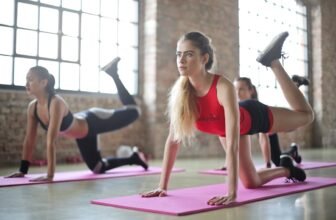
- Single Leg Stretch — From tabletop, curl head and shoulders, hold one knee to chest and extend the other leg. Switch legs with each breath. Keep ribs anchored and neck long.
- Double Leg Stretch — From curl position, hug both knees then extend arms overhead and legs out on an inhale. Circle arms back and pull knees in on the exhale. Move slowly and keep the low back connected to the mat.
- Roll-Up (Modified) — Start lying tall with arms overhead. Bend knees slightly if needed. Exhale to peel the spine up to reach for toes, inhale to roll back down. Use your hands on shins for assistance if full roll-up is hard.
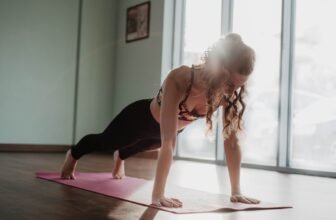
- Plank Leg Lifts — In forearm plank, lift one leg a few inches, alternating slowly. Keep pelvis level and shoulder blades stable. Reduce duration or drop to knees if needed.
- Side-Lying Leg Series — On your side, perform small controlled lifts, circles, and pulses. Keep hips stacked and use abdominal support to prevent toppling forward or back.
-
Pelvic Floor Activation — Pilates cues often include pelvic floor engagement. If you want targeted pelvic floor training alongside Pilates, consider pelvic trainers that provide feedback to ensure correct contractions.
Perifit Pelvic Floor Trainer offers guided exercises and app-based feedback for precise activation.
Modifications and Progressions
Progress by increasing repetitions, slowing tempo, or adding small external resistance when control remains flawless. Some Pilates-based strength work benefits from light dumbbells or ankle weights for added load—use this only after mastering form.
Adjustable Dumbbells Set lets you add incremental resistance for upper-body Pilates variations and standing balance work.
Hydration, Recovery, and Post-Workout Care
Hydration supports tissue recovery and focus during practice. A reliable water bottle or shaker keeps fluids and light post-workout protein convenient, especially after longer sessions or when combining Pilates with strength training.
VELOMIX 28oz Protein Shaker is useful if you like a quick protein drink after an intense session.
For regular sipping during your workout, choose a durable bottle to keep nearby.
Sports Water Bottles offers options to suit different preferences and session lengths.
Quick Checklist Before You Start
- Clear a 6×6 foot space and place a mat or towel down.
- Warm up 5–8 minutes (gentle cardio + mobility).
- Set an intent: control, breath, quality over reps.
- Keep water nearby and towel within reach.
- Finish with light rolling and stretches to cool down.
Frequently Asked Questions
-
How often should I do Pilates at home?
Start with 2–3 sessions per week and build to 4–5 as your strength and time allow. Consistency matters more than long sessions.
-
Do I need special equipment to get results?
No. Bodyweight Pilates is highly effective. Simple props like a ball, towel, or small weights can add variety and progression.
-
How do I know if I’m doing an exercise correctly?
Focus on slow, controlled movement, neutral spine, and coordinated breath. If unsure, record a short video to check alignment or consult a certified instructor for form feedback.
-
Can Pilates help with lower back strength?
Pilates targets the deep stabilizers of the spine and hips. When performed correctly, it supports better movement patterns and may reduce mechanical strain. Progress slowly and avoid exercises that increase sharp pain.
-
Is Pilates suitable during pregnancy or postpartum?
Many Pilates exercises are safe with modifications, especially those that support pelvic floor and core recovery. Tools like an exercise ball can be helpful. Always check with your healthcare provider for personalized guidance.
Conclusion
Pilates at home is practical, scalable, and effective. Start with a simple routine, prioritize form and breath, and use a few supportive tools to stay consistent. Small daily or regular sessions will build a stronger, more resilient core over time—keep the focus on control and gradual progression.
Products Featured in This Article
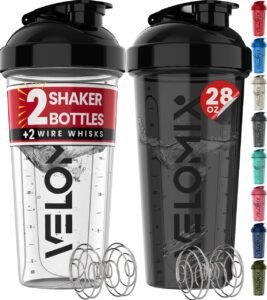
VELOMIX 2 Pack 28oz Protein Shaker …
From the brand Fastest Growing Shaker Brand Velomix is built on one idea: performance should be…
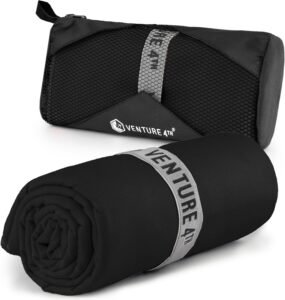
VENTURE 4TH Quick Dry Microfiber To…
Product description A towel, The Hitchhiker’s Guide to the Galaxy says, “is about the most massively…
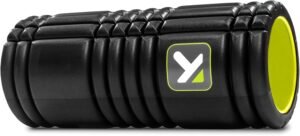
TriggerPoint Grid 1.0 Foam Roller &…
Whether you’re an athlete, an exercise junkie, or simply looking to relieve muscle pain, step up…
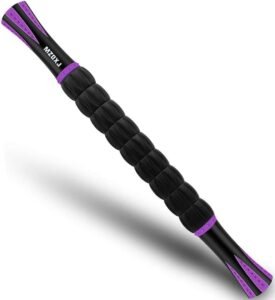
Muscle Roller Massage Roller Stick-…
Product description About MZDXJ: A Realm of Expert Sports Massage Add to Cart Add to Cart…
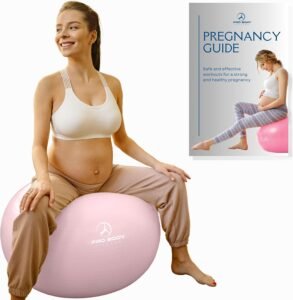
ProBody Pilates Pregnancy Ball R…
Stay active and healthy during your pregnancy with the ProBody Pilates Birthing Ball – a heavy-duty,…
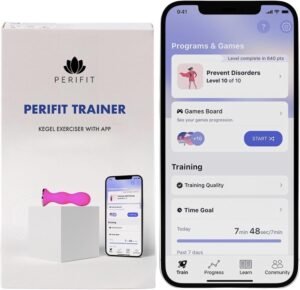
Perifit Pelvic Floor Trainer, Kegel…
Product description Package Dimensions : 5.51 x 3.23 x 1.65 inches; 5.61 ounces Item…
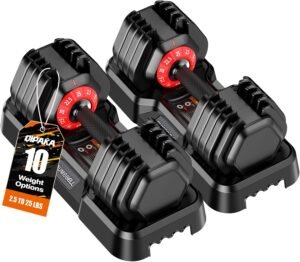
Adjustable Dumbbells Set All in One…
Revolutionize Your Fitness Routine!The QIPAKA adjustable dumbbell weight set features a 1-second instant adjustment system that…