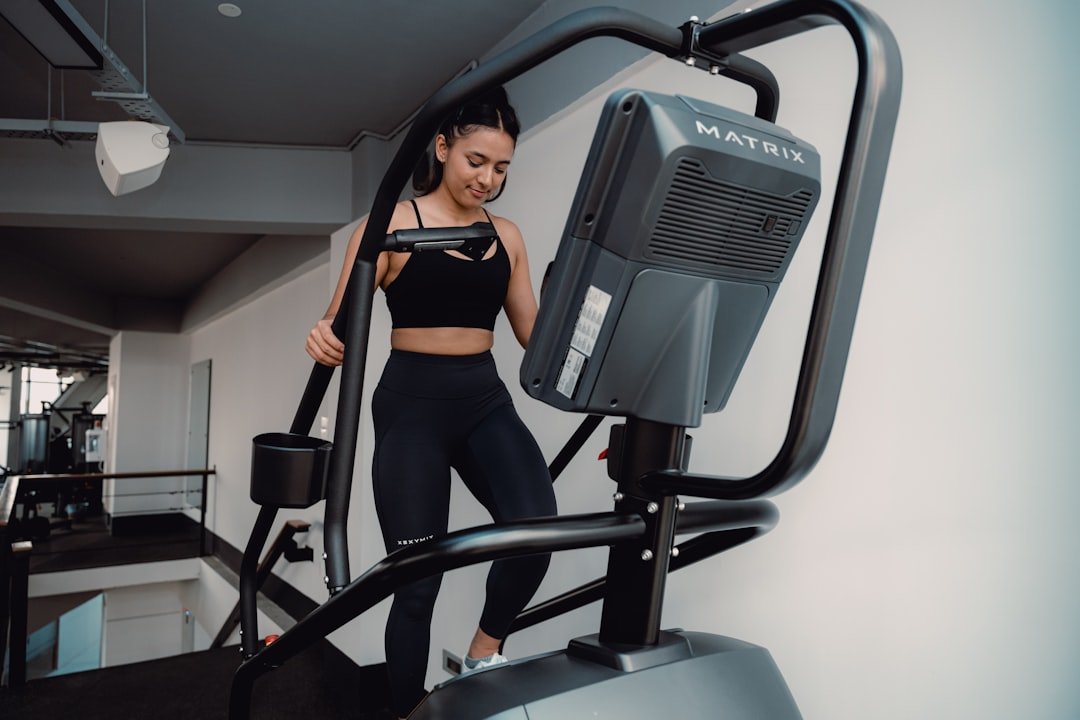
Low-impact cardio is one of the safest, most sustainable ways for beginners to build cardiovascular fitness, burn calories, and improve daily energy without heavy joint stress. If you’re new to exercise or coming back after a break, the right low-impact routine sets a foundation you can progress from confidently.
This guide gives practical exercises, safety tips, monitoring tools, and recovery strategies so you can start a program that fits your schedule and goals. Read on for workout ideas, a simple weekly plan, and tools to track progress and protect your body.
Why choose low-impact cardio?
Low-impact cardio reduces jarring forces on knees, hips, and spine while still elevating heart rate and improving circulation. It’s ideal for beginners, older adults, postpartum return-to-movement, and anyone managing mild joint pain or mobility limitations. To get the most benefit, monitor effort and aim for steady progress rather than harsh, immediate gains—tools like Heart Rate Monitors help you measure intensity without guessing.
Start safely: footwear, warm-ups, and pacing
Good shoes and a sensible warm-up make a big difference. Choose footwear that cushions impact and fits your feet—this reduces fatigue and limits compensatory movement that can cause pain. A reliable option is a pair designed specifically for running or walking; consider Women’s Running Shoes if you need supportive, low-profile trainers.
Always begin sessions with 5–10 minutes of brisk walking, dynamic leg swings, and gentle shoulder rolls. Start with 10–20 minutes of steady low-intensity work and increase by no more than 10% each week to avoid overload.
Best low-impact cardio exercises for beginners
Choose 2–4 of these and rotate them to build consistency and enjoyment:
- Walking (outdoors or treadmill) — easy to scale by speed, distance, or incline.
- Elliptical or air-walking machines — smooth, low-impact motion that mimics running without the landing stress.
- Stationary cycling (recumbent or upright) — great for lower-body conditioning with adjustable resistance.
- Rowing machine — full-body, low-impact cardio when technique is controlled.
- Water aerobics or pool walking — perfect for those with significant joint pain or higher body weight.
For hands-free convenience during walks, a lightweight phone carrier can be useful. Consider practical options like a Running Phone Armbands to keep music, tracking apps, and emergency contacts accessible without bouncing or slipping.
Low-impact cardio for pregnancy, postpartum, and special needs
Many low-impact activities are safe during pregnancy and postpartum with adjustments. Sitting or supported versions of movements, reduced intensity, and attention to diastasis recti or pelvic floor recovery are key considerations. A stable exercise ball provides pelvic mobility, supported core work, and gentle cardio options like seated marching; look for tools such as Pregnancy Exercise Balls if you want a versatile, low-impact support tool.
Home-based low-impact workouts and light resistance
You don’t need a gym. Combine walking or cycling with short strength segments to boost metabolism and functional strength. Bodyweight moves (sit-to-stands, modified lunges, wall push-ups) integrated into 20–30 minute sessions work well.
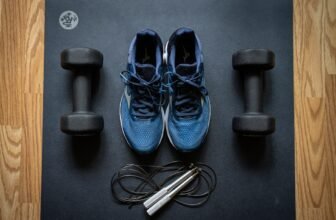
For gradual resistance progression, adjustable weights let you add small increments without clutter. A compact set such as Adjustable Dumbbells makes it easy to add 2–5 minutes of light strength between cardio intervals.
How to monitor progress without overdoing it
Tracking steps, minutes, and perceived exertion keeps motivation high and prevents unintentional overtraining. Simple devices are inexpensive and beginner-friendly—counting steps and active minutes with a pedometer gives immediate feedback. If you want a basic tracker, try a reliable Digital Pedometer for straightforward step and distance metrics.
Recovery and injury prevention strategies
Recovery is a performance tool. After low-impact sessions, prioritize mobility work, gentle stretching, and targeted soft-tissue release to maintain range of motion and limit soreness. A good foam roller aids circulation and speeds tissue recovery—use products like the Foam Rollers for calves, quads, and back.
In addition, sleep and hydration are simple but powerful recovery levers. If persistent pain or swelling appears, reduce intensity and consult a clinician for evaluation before returning to your usual routine.
- Warm-up: 5–10 minutes dynamic mobility before every session.
- Frequency: Aim for 3–5 low-impact sessions per week, 20–40 minutes each.
- Progression: Increase duration or intensity by ~10% weekly.
- Mix: Alternate walking/cycling/elliptical/rower to reduce repetitive stress.
- Recovery: Roll and stretch for 5–10 minutes after workouts.
FAQ
- Q: How fast should my heart rate be during low-impact cardio?
A: For beginners, target a conversational pace where you can speak in short sentences—this typically corresponds to 50–70% of estimated maximum heart rate. Use perceived exertion if you don’t monitor heart rate directly.
- Q: Can low-impact cardio help me lose weight?
A: Yes. Consistent low-impact cardio combined with strength work and mindful nutrition supports fat loss and improves metabolic health over time.
- Q: How do I know if I’m doing too much?
A: Warning signs include increasing joint pain, persistent fatigue, poor sleep, or declining performance. Scale back volume or intensity and prioritize recovery if these occur.
- Q: Will low-impact cardio improve my running?
A: Absolutely. It builds aerobic base, strengthens stabilizing muscles, and reduces injury risk, making it easier to add more running or faster intervals later.
- Q: What gear is most helpful for beginners?
A: Comfortable shoes, a simple pedometer or basic tracker, and a small set of adjustable weights for progressive resistance are practical starters. When ready, a GPS watch can add detailed session tracking.
Conclusion — practical takeaway
Start with short, regular sessions that feel sustainable: 20–30 minutes of walking, cycling, or elliptical three to five times weekly. Add one strength micro-session per week and prioritize mobility and sleep. To track progress and stay consistent, consider a long-term tracking device like a GPS Running Watches when you’re ready for more detailed metrics. Small, steady steps produce the biggest gains—keep it manageable, measurable, and enjoyable.
Products Featured in This Article
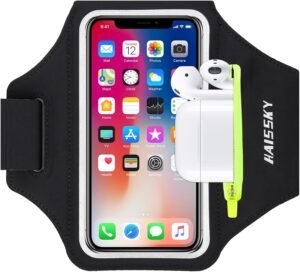
Running Armband with Earphone Bag C…
Product description to Holds Earphones or Car Key Creatived Design – Armband with Large Zipper Pocket…
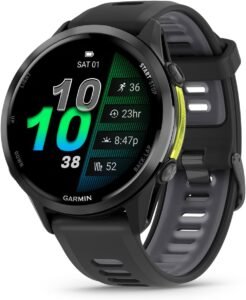
Garmin® Forerunner® 970, Premium …
For performance-driven runners, there’s Forerunner® 970 — the premium GPS running and triathlon smartwatch with our…
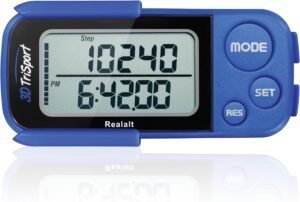
Realalt 3DTriSport 3D Walking Pedom…
From the brand Your Best Step – Better Health 🚶🏼 ✅ ACCURATELY TRACK YOUR ACTIVITY BY…
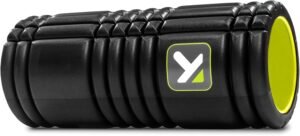
TriggerPoint Grid 1.0 Foam Roller &…
Whether you’re an athlete, an exercise junkie, or simply looking to relieve muscle pain, step up…
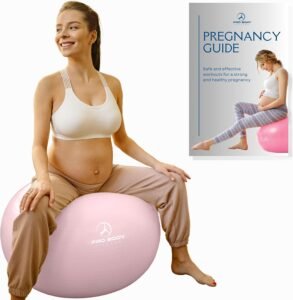
ProBody Pilates Pregnancy Ball R…
Stay active and healthy during your pregnancy with the ProBody Pilates Birthing Ball – a heavy-duty,…