
How to Warm Up Properly Before a Workout
Warming up is more than a routine checkbox — it’s the bridge that prepares your body for effort, reduces injury risk, and makes your workout more effective. A smart warm-up targets mobility, raises core temperature, and activates the muscles you’ll use most.
This guide gives clear, practical steps you can use before any session — strength, cardio, or sport-specific — plus gear tips to streamline your prep.
Why a Proper Warm-Up Matters
A progressive warm-up increases muscle temperature, improves joint range of motion, primes the nervous system, and helps you reach target intensity faster. Monitoring your effort during the warm-up ensures you’re not under- or over-doing it; devices like Heart Rate Monitors make it simple to see when you’ve reached an appropriate aerobic and neuromuscular readiness.
Core Components of an Effective Warm-Up
Every effective warm-up contains three focused elements: general aerobic priming, mobility/dynamic stretching, and activation/movement prep. Time spent on each will depend on the workout type and your personal needs, but a total of 8–15 minutes is a solid target for most training sessions.
Stage 1 — General Cardio Primer (5–8 minutes)
Start with low-intensity movement that raises heart rate and breathing: brisk walking, light jogging, or cycling. If you train outdoors or run, GPS guides like the GPS Running Watches help you track warm-up pace and distance and ensure you don’t accidentally jump into high intensity too soon.
Stage 2 — Mobility and Dynamic Stretching
Move through joint-focused drills and dynamic stretches that mimic the movement patterns of your session: leg swings, hip circles, shoulder pass-throughs, and ankle mobility flows. Use soft-tissue tools before or after dynamic work to reduce tight spots — a quick roll on a quality Foam Rollers can ease adhesions and improve movement quality.
Stage 3 — Activation and Movement Prep
Activate the primary muscles with low-load exercises using bodyweight or light resistance. Glute bridges, banded lateral walks, scapular push-ups, and light loaded sets are effective. For strength days, perform one to two warm-up sets using the same movement pattern you’ll train with. Adjustable weights like the FEIERDUN DS2 Adjustable Dumbbells let you quickly add small amounts of load for progressive warm-up sets without cluttering your space.
Stage 4 — Sport-Specific Drills and Neural Priming
Finish with movement patterns that closely match your workout. Runners should include short accelerations or strides, lifters should perform movement rehearsals at working range, and athletes should do reaction or coordination drills. If you rely on music, routes, or coaching cues, a secure runner-specific carry like this Running Armband keeps your essentials accessible and distraction-free during warm-up sprints or technique drills.
Soft-Tissue and Trigger-Point Prep
If muscles feel stiff or have tight spots, brief self-massage helps. Handheld tools let you target knots quickly: a muscle roller stick is portable and effective for calves, quads, and hamstrings. Consider including a short 30–60 second roll per muscle group with a proven tool like the Muscle Roller Stick to improve tissue mobility before dynamic work.
Prepare Your Space, Hydration, and Gear
Simple kit matters. Have a bottle of water ready so you can sip during your warm-up — staying hydrated improves circulation and thermoregulation, and options in the Sports Water Bottles category suit gym and outdoor sessions. Keep a clean towel on hand to maintain grip and hygiene; a quick-dry Gym Workout Towel is compact and dries fast between sets.
Checklist — Quick Warm-Up Summary
- 5–8 min light cardio to raise heart rate and breathing.
- 2–4 min dynamic mobility drills for hips, shoulders, ankles.
- 2–6 activation sets: bodyweight, bands, light weights.
- 1–3 sport-specific or movement rehearsal drills (short, controlled).
- Targeted soft-tissue work (30–60 sec per tight spot) if needed.
- Confirm hydration, towel, and any tracking gear are ready.
How Long Should a Warm-Up Be?
For most people 8–15 minutes hits the sweet spot. Shorter sessions (5–7 minutes) can suffice for low-intensity workouts; longer or more specific sessions are helpful before high-intensity intervals, heavy lifts, or competitive events. Use perceived readiness and objective measures (like heart-rate or movement ease) to judge if you’re ready to progress.
Common Warm-Up Mistakes to Avoid
Avoid static stretching that reduces force production immediately before maximal strength or power work. Don’t rush cardio into high intensity without gradually increasing effort; that increases injury risk. Finally, skip generic warm-ups that don’t mirror the movement patterns you’ll perform — specificity matters.
Conclusion — Practical Takeaway
Use a focused 8–15 minute warm-up that moves from general to specific: light cardio, dynamic mobility, targeted activation, and movement rehearsal. Keep hydration and basic kit ready so you can warm up consistently. Small, deliberate warm-ups compound into better performance and fewer setbacks.
FAQ
Q: Do I need to warm up before every workout?
A: Yes. Even short sessions benefit from a 5–8 minute primer; it improves performance and lowers injury risk.
Q: Is foam rolling part of the warm-up?
A: Yes — brief foam rolling can be used at the start to reduce tightness, followed by dynamic drills to reinforce range of motion. Consider tools from the Foam Rollers selection for quick self-care.
Q: How intense should warm-up sprints or accelerations be?
A: Keep early repetitions at ~60–70% of max effort, progressing to 80–90% for short strides. The goal is readiness, not fatigue.
Q: Can I warm up with minimal equipment?
A: Absolutely. Bodyweight movements, bands, and short mobility flows are sufficient. If you like a little resistance progression, adjustable tools like the adjustable dumbbells speed setup for warm-up sets.
Q: How do I know when I’m warmed up enough?
A: You should feel slightly warm, have fuller range of motion in target joints, and be able to perform rehearsal reps with good technique and no sharp pain. Heart-rate or GPS trackers can confirm appropriate intensity progression.
Q: What gear helps make warm-ups consistent?
A: Keep a reliable water bottle, a quick-dry towel, and any tracking or carry items handy. Products like sports water bottles, a gym towel, and a secure running armband make it easier to warm up efficiently.
Products Featured in This Article
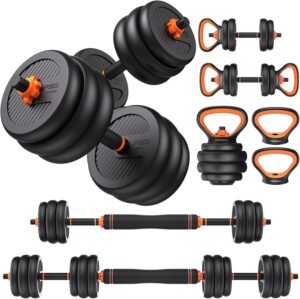
FEIERDUN DS2 Adjustable Dumbbells, …
Product description GYM CUBE: 5 Pieces of Equipment, 1 Compact Cube. 1 20lb 2 30lb 3…
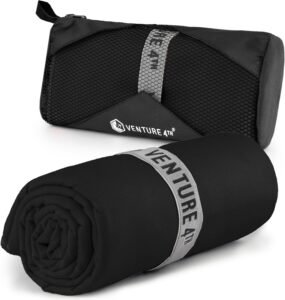
VENTURE 4TH Quick Dry Microfiber To…
Product description A towel, The Hitchhiker’s Guide to the Galaxy says, “is about the most massively…
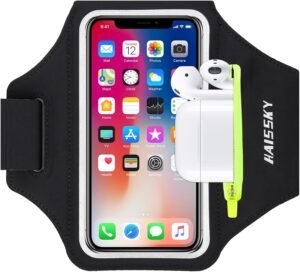
Running Armband with Earphone Bag C…
Product description to Holds Earphones or Car Key Creatived Design – Armband with Large Zipper Pocket…

Garmin® Forerunner® 970, Premium …
For performance-driven runners, there’s Forerunner® 970 — the premium GPS running and triathlon smartwatch with our…
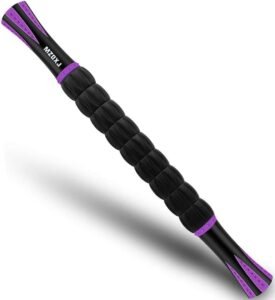
Muscle Roller Massage Roller Stick-…
Product description About MZDXJ: A Realm of Expert Sports Massage Add to Cart Add to Cart…