How to Use Foam Rollers for Muscle Recovery
Foam rolling is one of the simplest, most effective self-care tools athletes and weekend warriors can use to speed recovery, reduce stiffness, and improve range of motion. With the right technique, a few minutes of foam rolling after workouts can make your next training session feel better.
This guide covers when to roll, how long to spend on each area, safe pressure guidelines, and how to build foam rolling into a practical recovery routine you’ll actually stick with.
What foam rolling does and why it helps
Foam rolling is a form of self-myofascial release. Rolling a firm cylinder along muscles and connective tissue helps break up tight spots, improve local circulation, and reduce perceived soreness. It won’t “fix” serious injury, but when used correctly it assists tissue mobility, helps lymphatic drainage, and complements other recovery strategies.
Choosing the right foam roller
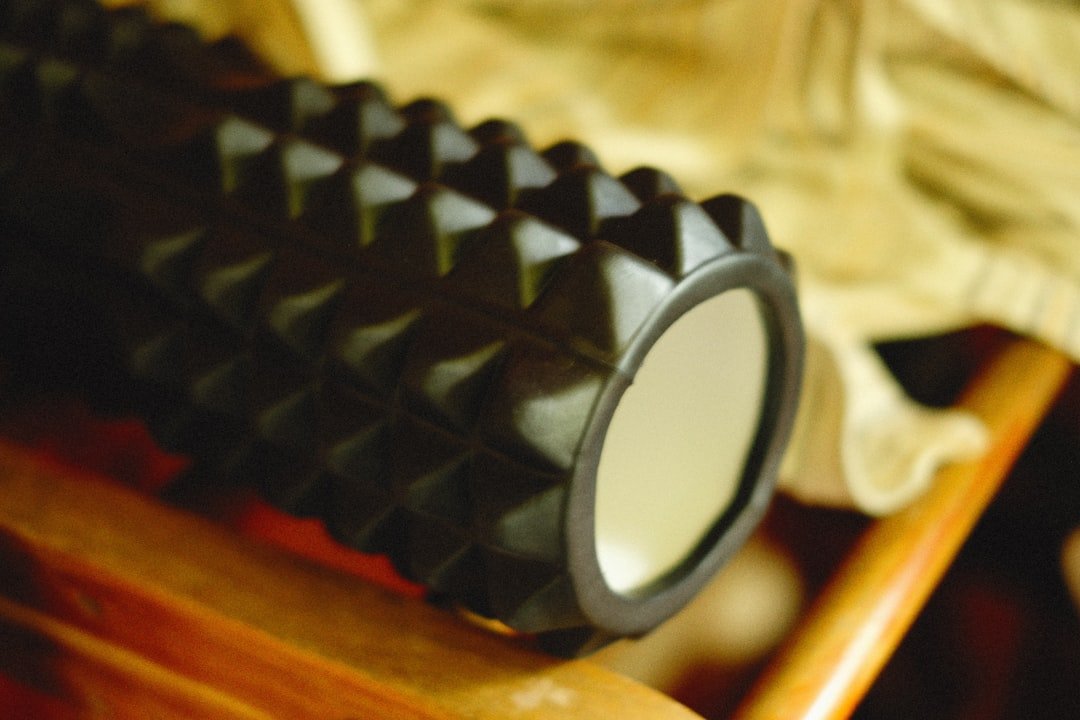
Not all rollers are the same. Softer rollers are better for beginners and post-workout relaxation; firmer, textured rollers penetrate deeper and suit experienced users or for addressing stubborn knots. If you’re ready to shop options designed for recovery, check out EveFitness’ selection of Foam Rollers to match density and texture to your needs.
Types of rollers and complementary tools
Standard smooth rollers are versatile; grid-style or textured rollers provide targeted pressure. For a reliable, highly rated option with multi-density surface patterns that mimic hands, consider the TriggerPoint Grid 1.0. For narrow, precise work like calves or along the IT band, handheld options such as Muscle Roller Sticks are quick and effective complements to a foam roller session.
When to roll: pre-workout vs post-workout
Use light, dynamic rolling before training to reduce stiffness and assist mobility. Keep pressure gentle and movements quick—think warm-up rather than deep massage. After a workout, spend more time (but not too long) on sore or tight areas with slower, deliberate pressure to encourage circulation and relaxation.
Pair rolling with other recovery modalities. Hydration supports circulation during recovery—keep a cold or insulated bottle nearby, for example from the Sports Water Bottles category—so you’re reminded to sip during and after sessions.
How to foam roll major muscle groups (step-by-step)
General rules: move slowly (10–20cm per second), breathe, and pause for 20–30 seconds on tender spots without rolling back and forth aggressively. Use your hands and feet to adjust pressure by supporting more or less of your body weight.
- Quads: Lie face down, roller under thighs. Support yourself on forearms and roll from hip to just above the knee. Pause on tight spots.
- Hamstrings: Sit with roller under hamstrings, support with hands behind you and roll from glute fold to above the knee.
- Glutes/hip: Sit on the roller, cross one ankle over the opposite knee to target the glute medius and piriformis. Lean to the side and roll slowly.
- IT band (side of thigh): This structure is sensitive—use lighter pressure, perhaps with a roller stick. Roll from hip to above the knee, avoiding direct force on the outer knee joint.
- Calves: Place roller under calves and lift hips, roll from ankle to below the knee; pause on tight areas.
- Upper back: Lie back with roller across thoracic spine (not low back) and gently extend over it—avoid rolling the neck.
Pressure, timing, and frequency
Start with 1–2 minutes per muscle group and increase to 3–5 minutes on particularly tight areas. For frequency: short daily sessions (5–15 minutes) work well, or every other day if you’re doing deeper, more intense rolling. If a spot causes sharp pain, ease off and consult a professional; avoid prolonged deep pressure on inflamed or injured tissue.
Common mistakes and safety tips
Avoid rolling directly over bones, joints, or bruises. Don’t spend long sessions on one small spot—use 20–30 second holds rather than continuous heavy pressure. If you have circulatory issues, deep vein thrombosis risk, recent surgery, or severe pain, check with a clinician before foam rolling. For light support and compression after rolling or during recovery, consider Compression Recovery Sleeves to help circulation without excess pressure.
When heat, ice, or active recovery make sense
Foam rolling is one tool among many. For entrenched soreness, a short period of heat can relax tissue—pair rolling with targeted Heating Pads for Muscle Pain after activity to soothe and prepare tissue for mobility work. For swelling or acute inflammation, prioritize ice and professional advice instead of deep rolling.
Building a short, practical recovery routine
An efficient post-workout routine that includes foam rolling looks like this: cool down with light cardio, roll key muscle groups for 10 minutes total, apply heat if helpful, rehydrate, and support recovery with nutrition and compression as needed. For more intensive recovery days—long runs or heavy lifts—add device-based compression such as Leg Compression Recovery Boots or targeted rest.
Nutrition matters. Consuming protein and fluids after training supports muscle repair—stock a Protein Shaker Bottles so you have a consistent post-workout option.
Quick checklist before you roll
- Choose a roller density appropriate for your tolerance and experience.
- Warm up briefly with light movement if you haven’t already.
- Roll 1–2 minutes per muscle group; pause 20–30 seconds on tender spots.
- Avoid rolling over joints, recent injuries, or areas of numbness.
- Hydrate and follow up with nutrition or additional recovery tools as needed.
FAQ
- How long should I foam roll each day? Aim for 5–15 minutes total, with 1–5 minutes per muscle group depending on tightness.
- Can I foam roll every day? Yes—light daily rolling is safe for most people. If you plan deep tissue work, consider spacing sessions every other day.
- Does foam rolling reduce DOMS (delayed onset muscle soreness)? Foam rolling can reduce perceived soreness and improve mobility, but it’s one part of a broader recovery strategy including sleep, hydration, and nutrition.
- Is a harder roller always better? No. Firmer rollers provide deeper pressure but can be counterproductive if too painful; start softer and progress as tolerated.
- Should I foam roll an injured area? Avoid direct rolling on acute injuries, open wounds, or if you have circulatory disorders. Seek professional guidance first.
Conclusion — practical takeaway
Foam rolling is a low-cost, high-impact habit that improves mobility and recovery when used correctly. Start with short, controlled sessions focused on major muscle groups, pair rolling with hydration and post-workout protein, and integrate other recovery tools as needed. For friction-free recovery at home, combine your roller with complementary products and consistent routines to keep training safely and progress steadily.
Products Featured in This Article
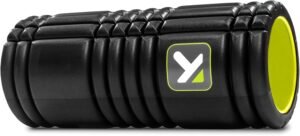
TriggerPoint Grid 1.0 Foam Roller &…
Whether you’re an athlete, an exercise junkie, or simply looking to relieve muscle pain, step up…