How to Use Dumbbells Safely and Effectively
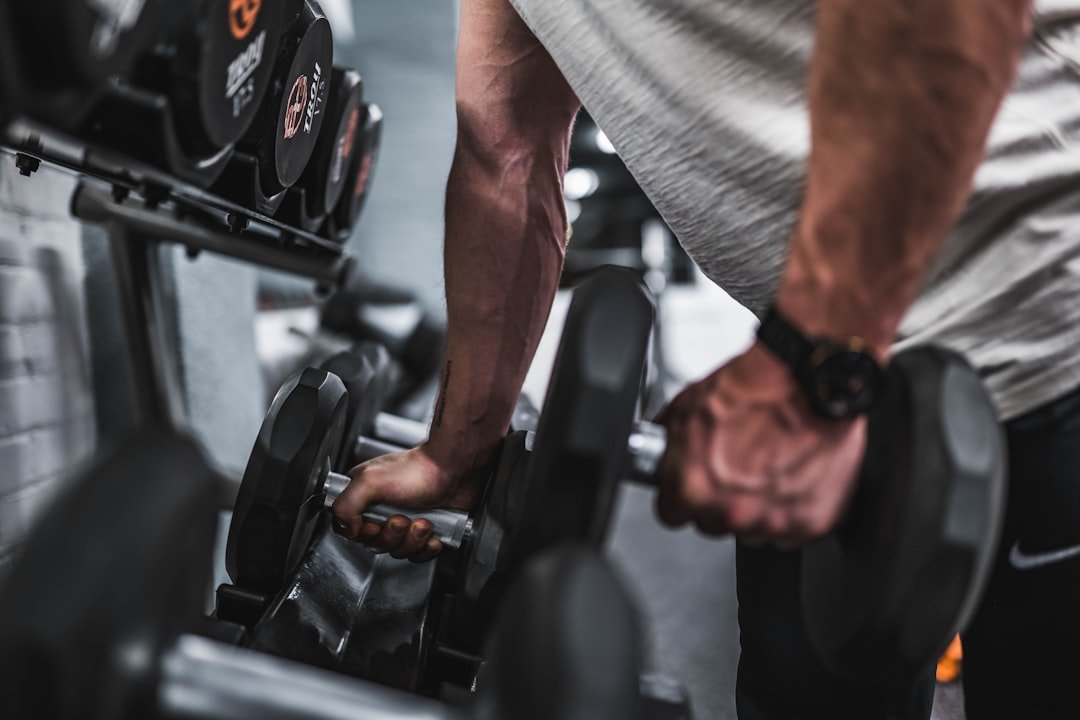
Dumbbells are one of the most versatile tools for strength, balance and functional fitness. Done correctly they build muscle, improve coordination, and fit into short home workouts as easily as long gym sessions.
This guide covers how to choose the right dumbbells, warm up, perform common moves with safe technique, progress intelligently, and recover well so you stay consistent and injury-free.
Choose the right dumbbells for your goals
Select equipment based on space, budget and the exercises you plan to do. Fixed dumbbells are simple and durable; adjustable sets save space and let you change loads quickly. If you train at home and want a compact, flexible option consider an Adjustable Dumbbells Set All in One, which allows micro-adjustments as you progress.
Warm-up and dynamic mobility
Spend 5–10 minutes preparing the body. Dynamic movements (leg swings, arm circles, hip hinges) raise temperature and prime motor patterns. For sore or tight areas, use targeted self-massage before lifting—tools like a handheld Muscle Roller Massage Roller Stick help release tightness and improve range of motion quickly.
Master safe technique for common dumbbell exercises
Quality of movement beats heavy weight. Focus on posture, joint alignment, and controlled reps for these staples:
- Goblet squat – chest up, knees tracking toes, descent controlled.
- Romanian deadlift – hinge at hips, maintain neutral spine, feel hamstrings stretch.
- Dumbbell bench press – scapula retracted, feet planted, press through full range without overextending shoulders.
- One-arm row – torso stable, elbow close to the body, pull with lats rather than arm only.
- Standing overhead press – core braced, glutes engaged, avoid excessive lumbar extension.
Grip and hand comfort matter for technique and longevity—consider Weight Lifting Gloves if calluses, slipping or wrist discomfort interfere with control.
Program progression and tracking
Use simple frameworks to progress: increase reps, add weight, improve tempo, or reduce rest. Track sessions and set 2–4 week micro-goals (e.g., +2–5 lb on a compound lift or +2 reps per set). Wearables and trackers can help measure effort and recovery—if you monitor intensity, consider integrating a Heart Rate Monitors to ensure your conditioning and rest intervals align with the session goals.
Gym etiquette, safety and setup
Always set up in a clear area with a flat surface and good lighting. Keep a towel nearby to wipe sweat and maintain grip on handles; a clean Gym Workout Towels is a small investment that improves hygiene and safety. Place heavier plates/dumbbells on stable flooring and avoid crowded corners to reduce the risk of trips or dropped equipment hitting others.
Recovery tools that speed return to training
Recovery is part of the program. For tight muscles, a dense foam roller provides deep pressure to break up adhesions and restore mobility—consider a proven option like the TriggerPoint Grid 1.0 Foam Roller to use after sessions or on rest days. Use rolling for 1–3 minutes per muscle group and follow with gentle stretching.
Heat, cold and when to use them
Acute pain and swelling respond differently than chronic tightness. For new sprains or sharp inflammation, brief cold application can reduce swelling; for persistent stiffness before activity, targeted heat increases tissue pliability. If you prefer a convenient option, a category of Heating Pads for Muscle Pain offers portable warmth that prepares muscles for movement and eases post-workout soreness.
Compression and targeted recovery products
Compression supports circulation and may aid recovery after heavy sessions or long training days. For localized support or to reduce post-workout swelling, explore Compression Recovery Sleeves, which are useful around elbows, knees or forearms when you push volume or perform repetitive loading.
Checklist: Safe dumbbell training essentials
- Choose an appropriate weight—start light and prioritize form.
- Warm up dynamically and address tight spots with tools like a roller stick.
- Use controlled tempo: 2–3 seconds concentric, 2–4 seconds eccentric where applicable.
- Keep core braced and joints aligned—avoid compensatory movements.
- Track progress and adjust one variable at a time (weight, reps, tempo).
- Practice safe gym etiquette—clear space and use a towel.
- Prioritize recovery: foam rolling, heat or compression as needed.
FAQ
- How often should I train with dumbbells?
Aim for 2–4 full-body sessions per week, or split routines that allow 48 hours of recovery per muscle group. - How do I choose starting weights?
Pick a weight you can lift with perfect form for the lower end of your target rep range (e.g., 8–12 reps). If the last 1–2 reps feel challenging but doable, the load is appropriate. - Is it better to use fixed or adjustable dumbbells?
Fixed dumbbells are durable and simple; adjustable sets save space and let you progress more granularly—choose based on budget, space and how quickly you plan to increase loads. - What signs mean I should stop and rest?
Sudden sharp pain, joint popping with discomfort, dizziness, or any neurological symptoms require you to stop. If soreness is simply delayed muscle ache but movement is possible, reduce intensity and use recovery strategies. - How long should a session be?
Effective dumbbell sessions can be 20–60 minutes depending on goals—focus on quality over duration. Short, intense sessions can build strength when programmed properly. - Can beginners train safely at home?
Yes—start with basic movement patterns, lighter weights, and consider following guided workouts or a coach virtually until you’re confident in form.
Conclusion
Use dumbbells with intent: pick the right equipment, warm up, focus on form, progress methodically, and recover smartly. A practical routine that follows these steps will increase strength and reduce injury risk—start conservatively and build consistency week to week.
Products Featured in This Article
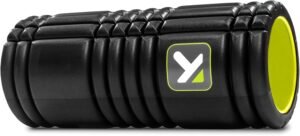
TriggerPoint Grid 1.0 Foam Roller &…
Whether you’re an athlete, an exercise junkie, or simply looking to relieve muscle pain, step up…
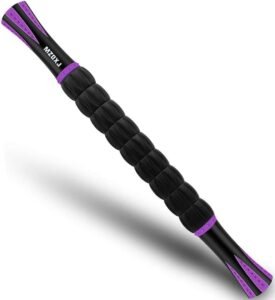
Muscle Roller Massage Roller Stick-…
Product description About MZDXJ: A Realm of Expert Sports Massage Add to Cart Add to Cart…
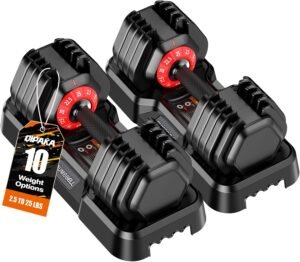
Adjustable Dumbbells Set All in One…
Revolutionize Your Fitness Routine!The QIPAKA adjustable dumbbell weight set features a 1-second instant adjustment system that…