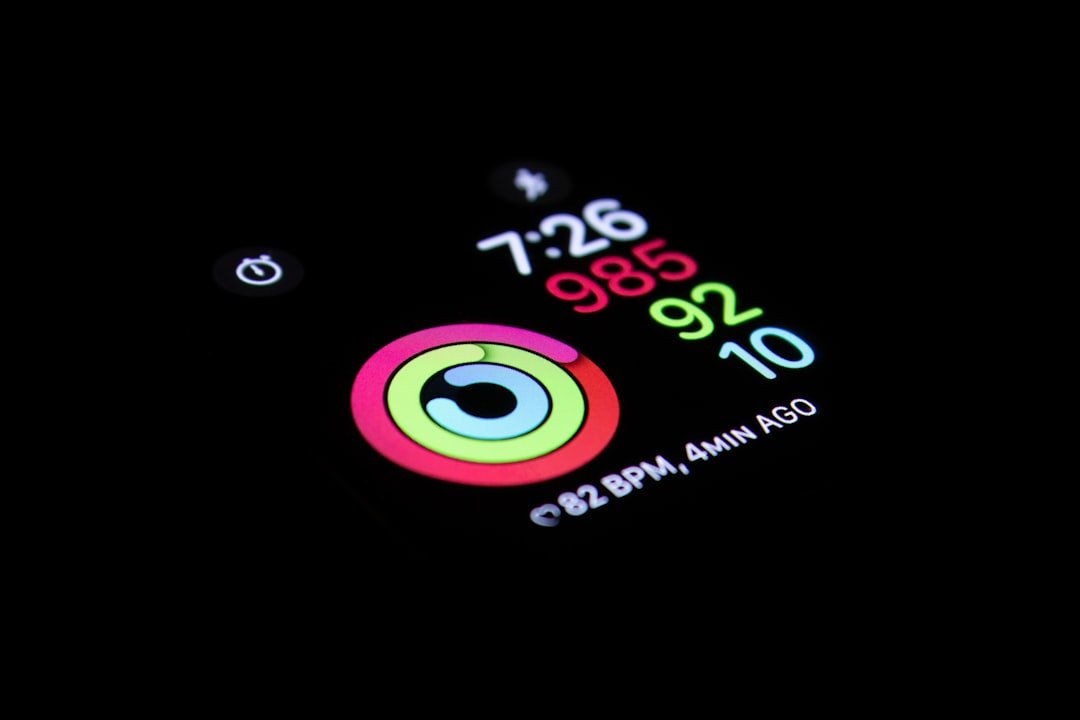
Tracking fitness progress doesn’t have to feel like a second job. The goal is simple: gather just enough information to see trends, make small adjustments, and stay motivated. If you pick unwieldy metrics or insist on perfection you’ll quickly stall — but a few clear habits and the right tools will get you steady results without overwhelm.
This guide shows practical, low-friction ways to monitor progress, pick useful metrics, and build tracking into daily life. You’ll learn what to track, how often, and which tools can make tracking feel effortless.
Start with clear, small goals
Before tracking anything, decide what “progress” means to you. Are you aiming for a strength milestone, better endurance, or more consistent movement? Break big goals into 4–12 week micro-goals so you can measure progress without pressure.
If strength is your focus, choose a single lift or compound movement and a clear target (e.g., add 10–20% load or 5–10 reps). Consider pairing that goal with equipment you’ll use regularly, like FEIERDUN DS2 Adjustable Dumbbells at home so testing and training are consistent.
Pick 3 simple metrics and stick with them
Too many numbers lead to decision fatigue. Choose three metrics that directly reflect your goal and are easy to record. Examples:
- Steps or daily movement for general activity.
- Workout quality (RPE, sets x reps, or progression on a chosen lift).
- Recovery and consistency (sleep quality or days trained per week).
For step-based goals, a dedicated device is low-effort and reliable — something like the Realalt 3DTriSport Digital Pedometer keeps counting without opening an app, which reduces friction.
Use tools that reduce friction, not add work
Choose tracking tools that fit your routine. If you run or measure pace, a reliable watch gives immediate, actionable feedback without extra steps; a quality option is the Garmin® Forerunner® 970. If you care about effort and heart strain during workouts, a simple chest or wrist sensor category like Heart Rate Monitors helps you gauge intensity and recovery objectively.
The rule: pick devices that automate data capture when possible so you spend less time logging and more time training.
Make tracking part of a routine, not a separate chore
Attach tracking to an existing habit. Examples:
- Put your tracking device on with your workout gear each morning.
- Record RPE or one-line notes immediately after exercise.
- Carry your phone in a device that makes movement comfortable so you don’t skip runs or walks.
Small accessories can remove barriers: a reliable carry option like the Running Armband with Earphone Bag keeps your phone accessible and protected so tracking apps run without disruption. Similarly, make post-workout recovery a ritual by keeping tools handy — a simple habit like using Protein Shaker Bottles by your kit signals the session is complete and encourages consistent nutrition tracking.
Track consistency and trends, not daily perfection
Don’t obsess over a single workout. Focus on weekly or monthly trends — is volume up, is pace improving, are you training more consistently? Weekly averages and monthly comparisons filter noise and highlight real progress.
Use a very small logging system: one line per workout (date, time, main metric, one short note). That minimal habit reveals trends without overwhelming you.
Prioritize recovery as part of progress
Recovery metrics are progress indicators too: reduced soreness, improved mobility, and the ability to train more frequently are measurable outcomes. Simple tools speed recovery and let you train consistently.
Self-massage and mobility tools such as the TriggerPoint Grid Foam Roller improve tissue quality and are easy to use after workouts. For deeper recovery on rest days, consider targeted systems like Leg Compression Recovery Boots to speed circulation and reduce post-exercise stiffness. When recovery is consistent, training quality and progress follow.
Review monthly and adjust simply
Schedule one 15–30 minute review at the end of each month. Ask three questions: Did my chosen metrics move toward the goal? What barriers showed up? What’s one small change for next month? Keep changes minimal (one variable at a time) to know what works.
Quick checklist
- Choose one primary goal and a 4–12 week micro-goal.
- Select up to three simple metrics to track (steps, workout quality, consistency).
- Pick low-friction tools that fit your routine.
- Add tracking to an existing habit (put-on, post-workout, nightly review).
- Review progress monthly and make one small adjustment.
FAQ
- Q: How often should I record data?
A: For most people, daily automation (device-based) plus a quick note after workouts is enough; detailed reviews can be weekly or monthly.
- Q: What if I don’t like numbers?
A: Use qualitative tracking—how you feel during workouts, how clothes fit, or whether you’re hitting a target number of workouts per week.
- Q: Which single metric is best?
A: There’s no universal best; pick the metric most closely linked to your goal (e.g., weight moved for strength, pace for running, steps for general activity).
- Q: Will tracking slow me down?
A: Only if you choose too many metrics or complex logging. Keep it minimal and automated when possible to avoid slowdown.
- Q: How do I stay motivated when progress stalls?
A: Revisit the micro-goal, celebrate non-scale wins (consistency, sleep, energy), and adjust training or recovery rather than abandoning tracking.
Conclusion — a practical takeaway
Keep tracking simple: one goal, three metrics, tools that automate, and a monthly review. Small, consistent actions reveal real progress without overwhelm. Choose a low-friction device or habit today, and build from there.
Products Featured in This Article
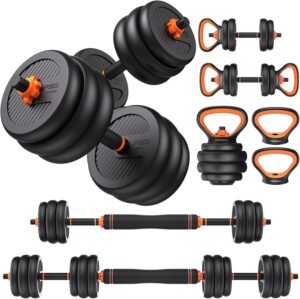
FEIERDUN DS2 Adjustable Dumbbells, …
Product description GYM CUBE: 5 Pieces of Equipment, 1 Compact Cube. 1 20lb 2 30lb 3…
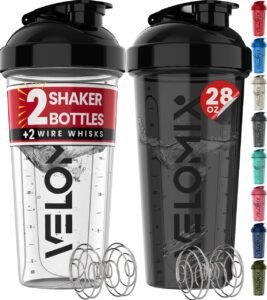
VELOMIX 2 Pack 28oz Protein Shaker …
From the brand Fastest Growing Shaker Brand Velomix is built on one idea: performance should be…
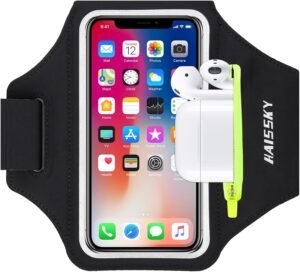
Running Armband with Earphone Bag C…
Product description to Holds Earphones or Car Key Creatived Design – Armband with Large Zipper Pocket…
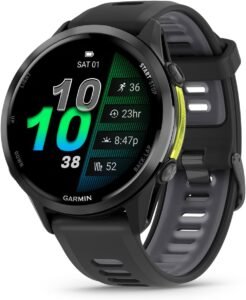
Garmin® Forerunner® 970, Premium …
For performance-driven runners, there’s Forerunner® 970 — the premium GPS running and triathlon smartwatch with our…
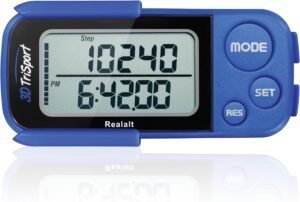
Realalt 3DTriSport 3D Walking Pedom…
From the brand Your Best Step – Better Health 🚶🏼 ✅ ACCURATELY TRACK YOUR ACTIVITY BY…
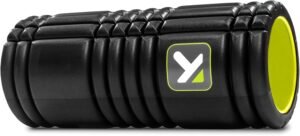
TriggerPoint Grid 1.0 Foam Roller &…
Whether you’re an athlete, an exercise junkie, or simply looking to relieve muscle pain, step up…