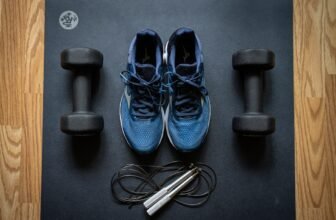

Consistency is the single most important factor that separates short-lived fitness bursts from lifelong progress. It’s less about perfection and more about designing a plan you can follow week after week.
This guide gives practical steps to stay consistent: how to set realistic goals, build habits, use simple tools, recover smartly, and handle setbacks so you keep moving forward.
Set realistic, measurable goals
Start with clear, time-bound objectives: “walk 10,000 steps five days a week,” “add 10 pounds to my squat in 12 weeks,” or “run a 5K in under 30 minutes.” Break big goals into smaller milestones and focus on process goals (what you do) rather than only outcome goals (what you achieve). Measurable targets reduce uncertainty and make it easier to track progress and adjust when life gets busy.
Build simple, repeatable habits
Consistency thrives on routine. Anchor workouts to existing habits—exercise after dropping kids at school, or strength sessions right after work on set days. For daily movement, small wins add up: a short walk after lunch, a two-minute mobility routine before bed, or a quick bodyweight circuit when time is tight. A basic step tracker can help you see those wins accumulate; consider using a reliable step device like the Digital Pedometers to make steps visible and motivating.
Use tracking tools that support behavior
Tracking is feedback. Choose tools that fit your goals and lifestyle—simple wearable trackers, a running watch, or a training log. If you train for runs or want route and pace feedback, a purpose-built running device is especially useful. A good option to standardize distance, pace, and interval progress is a GPS Running Watches, which also sync with training plans and reminders so you never miss a scheduled session.
Design a realistic training plan
Balance frequency, intensity, and recovery. If you’re new or returning, start with two to three quality sessions per week—mix cardio, strength, and mobility. Progressive overload can be achieved simply by increasing reps, sets, or weight every one to three weeks. For home strength training where equipment is limited, choose versatile tools like Adjustable Dumbbells to scale loads without cluttering your space.
Plan nutrition and simple fueling routines
Consistency in the gym needs consistency in fueling. Prioritize protein around workouts, hydrate regularly, and plan simple meals you can prepare repeatedly. For post-workout shakes or on-the-go nutrition, small habits like having a prepared shake container make compliance easier. A dedicated Protein Shaker Bottles can save time and reduce friction when you’re trying to hit daily protein targets.
Prioritize recovery to stay consistent
Missed recovery leads to missed workouts. Build short recovery practices into your routine: foam rolling after tough sessions, contrast baths for inflammation, or scheduled mobility blocks. For targeted self-myofascial release, a high-quality Foam Rollers support faster muscle readiness and fewer skipped sessions due to stiffness.
Use quick self-massage and tools to manage soreness
On busy days you may not have time for long recovery sessions. Keep a compact tool handy for brief, effective relief—six minutes with a stick can reduce tightness and improve range of motion. A portable option like the Muscle Roller Sticks are ideal for quick pre-workout prep or evening release sessions.
Manage soreness and protect continuity
If soreness or mild injuries threaten your schedule, proactive measures keep consistency intact. Compression, targeted icing, and modifying intensity can help you continue training without worsening issues. For everyday joint or muscle support that lets you maintain activity, consider items like Compression Recovery Sleeves to reduce swelling and speed recovery between sessions.
Hydration and practical lifestyle supports
Hydration influences energy, recovery, and motivation. Make water accessible throughout the day—carry a bottle, set reminders, and sip during workouts. A sturdy, easy-to-carry Sports Water Bottles removes a small barrier that otherwise turns into missed fluid and lower performance.
Handle setbacks with a plan
Everyone hits plateaus, illness, or busy seasons. Have an adjustment plan: reduce volume but keep frequency, swap long workouts for shorter maintenance sessions, or focus on mobility while energy returns. Reframe setbacks as temporary phases in a long-term process and use them to reinforce habit infrastructure (e.g., calendar blocks, training partners, or scheduled reviews).
Maintain accountability and motivation
Accountability keeps the habit machine running. Share goals with a friend, join a small group, hire a coach for periodic check-ins, or schedule workouts on your calendar like any appointment. Combine accountability with small rewards tied to milestones to reinforce behavior without derailing progress.
- Schedule workouts as fixed appointments.
- Track at least one metric weekly (time, reps, steps, weight).
- Prepare gear and nutrition the night before.
- Build short, non-negotiable movement routines on low-energy days.
- Use simple recovery tools after tough sessions (5–10 minutes).
Checklist: Weekly consistency essentials
- 2–4 planned workouts with defined purpose (strength, cardio, mobility).
- One progressive overload or performance test each week.
- Daily movement goal (steps or active minutes) tracked with a basic step device like a Realalt 3DTriSport Pedometer.
- Hydration plan with a reusable bottle.
- 2 recovery sessions and one longer mobility block each week using foam or roll tools.
FAQ
Q: How often should I change my routine to avoid boredom?
A: Make small changes every 4–8 weeks—swap exercises, adjust sets/reps, or introduce a new workout modality to maintain engagement without breaking progress.
Q: What if I miss several workouts in a row?
A: Start small: re-establish a low-effort routine (two 20–30 minute sessions weekly) and rebuild volume. Don’t chase lost time with excessive intensity; prioritize consistency first.
Q: Which recovery tools are worth buying for everyday use?
A: Begin with a foam roller and a simple handheld stick for self-massage. These address most tightness and speed recovery. For ongoing joint support, add compression sleeves as needed.
Q: How do I keep motivated when progress stalls?
A: Reassess short-term goals, celebrate non-scale victories (consistency, sleep, energy), and adjust training variables. Small, measurable wins restore momentum.
Q: Can I stay consistent with limited time?
A: Yes. Prioritize short, high-quality sessions and daily movement. Even 15–25 minutes of focused work most days sustains progress better than sporadic long sessions.
Conclusion: One practical takeaway
Choose one small habit you can maintain this week—schedule it, prepare your gear, and track it. Small, consistent actions compound quickly; build your routine around what you can do reliably, then scale gradually.
Products Featured in This Article
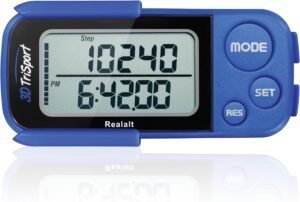
Realalt 3DTriSport 3D Walking Pedom…
From the brand Your Best Step – Better Health 🚶🏼 ✅ ACCURATELY TRACK YOUR ACTIVITY BY…
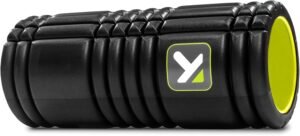
TriggerPoint Grid 1.0 Foam Roller &…
Whether you’re an athlete, an exercise junkie, or simply looking to relieve muscle pain, step up…
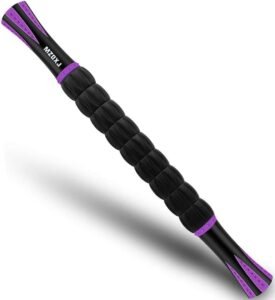
Muscle Roller Massage Roller Stick-…
Product description About MZDXJ: A Realm of Expert Sports Massage Add to Cart Add to Cart…