How to Start Exercising Again After a Long Break
Taking the first step back into exercise after months or years away can feel intimidating. The good news: most setbacks are temporary and reversible with a clear, sensible approach.
This guide gives practical steps to restart safely, reduce soreness, and build consistent momentum without burnout or injury.
1. Reset your mindset and set realistic goals
Begin by shifting the focus from “catching up” to “building a sustainable habit.” Choose small, measurable goals: three workouts a week, a 20-minute walk daily, or 10 minutes of strength work after dinner. Track one simple metric so you can see progress without getting overwhelmed.
2. Gather basic, useful gear
You don’t need a lot of equipment to restart, but a few reliable items make consistency easier. A good water bottle encourages hydration during sessions, so pick something you’ll actually carry to workouts such as a well-made Sports Water Bottles. Minimal gear reduces friction and excuses.
3. Start slow: build frequency before intensity
When returning from a long break, prioritize regularity over hard sessions. Aim for lower-intensity, shorter workouts at first: brisk walking, gentle cycling, bodyweight circuits, or 15–20 minutes of light strength. Increase either time or intensity by no more than 10% per week to manage fatigue and reduce injury risk.
4. Include strength training early
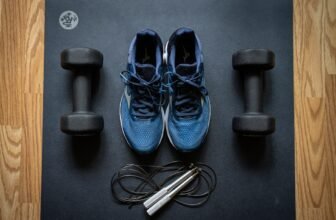
Strength work protects joints, preserves muscle, and makes everyday activities easier. If you’re exercising mainly at home, a compact strength tool like Adjustable Dumbbells lets you progress load safely and take small jumps in resistance as you regain strength.
5. Warm up and restore mobility
A focused warm-up improves performance and lowers injury risk. Include dynamic mobility moves for the hips, shoulders, and ankles before workouts. For sore or stiff areas, a quality foam roller with multi-density surface can accelerate mobility work and reduce tightness—consider tools like the TriggerPoint Grid Foam Roller.
6. Use targeted self-massage and simple recovery tools
Self-massage after workouts eases soreness and improves circulation. A handheld massage tool such as a Muscle Roller Stick lets you control pressure on calves, quads, and hamstrings and is easy to use in the evening or after workouts.
7. Manage soreness with cold, compression and foot care
Soreness is normal when you restart. For localized inflammation or tender areas, reusable cold packs applied for 10–15 minutes can reduce swelling and discomfort; keep a set of Reusable Cold Therapy Packs on hand for post-workout relief.
Compression can also support circulation and recovery—consider targeted compression apparel such as the CEP Compression Forearm Sleeves for repetitive arm or forearm work (useful for gardeners, desk workers, and beginner strength trainees).
If your feet or calves feel fatigued after walking or returning to running, regular use of soothing tools or devices can help. Look into options in the Electric Foot Massagers category to ease tension and encourage circulation between sessions.
8. Track progress and stay accountable
Simple tracking builds consistency. Use a basic step or run tracker to monitor weekly volume, or a watch that logs workouts and recovery. A dedicated tracking device like a GPS Running Watches helps measure distance, pace, and keeps you motivated as numbers improve.
9. Plan recovery and schedule rest
Recovery is as important as the workouts themselves. Schedule light active recovery days with walking, mobility work, or gentle yoga. Sleep, nutrition, and hydration matter—aim for consistent bedtimes and balanced meals to support training adaptation. If fatigue accumulates, drop intensity or take an extra rest day rather than pushing through persistent soreness.
Checklist: First 4 weeks
- Week 1: 3 sessions focused on mobility, walking, and light strength (15–25 minutes)
- Week 2: Increase sessions to 3–4; add one longer low-intensity session (30–40 minutes)
- Week 3: Add resistance progression (small weight increases or extra sets)
- Week 4: Reassess energy and tweak plan; include one moderate session with slightly higher effort
- Daily: 5–10 minutes of mobility; use recovery tools as needed
FAQ
- How quickly will I regain fitness? Expect early gains in coordination and endurance within 2–6 weeks; strength improvements follow as you progressively overload over months.
- How often should I exercise? Aim for 3–5 sessions per week mixing cardio, strength, and mobility. Start at the lower end and increase as you recover.
- What if I feel sore for several days? Use active recovery, mobility work, and cold packs for inflammation. Reduce intensity next session and progress more gradually.
- Do I need expensive equipment? No—consistency matters more. A few basics like a reusable water bottle and simple weights or resistance bands are often sufficient.
- When should I see a professional? If pain limits movement, is sharp or worsening, or follows an acute injury, consult a healthcare professional before resuming intense training.
Practical examples to get started
Here are two beginner-ready sample weeks:
- Sample A (time-limited): Mon—20 min walk + mobility; Wed—15 min bodyweight strength; Fri—25 min bike or walk; Sun—20 min yoga/stretches.
- Sample B (strength-focused): Mon—full-body 20 min with light dumbbells; Tue—30 min brisk walk; Thu—20–25 min strength; Sat—30 min easy cardio + foam rolling.
Wrap-up: a simple, practical takeaway
Restarting is about small, consistent steps: prioritize regularity, protect joints with mobility and recovery tools, track one simple metric, and gradually increase load. Use a modest toolkit (hydration, a foam roller, massage stick, light weights, and a tracker) to reduce barriers and make progress measurable.
Products Featured in This Article
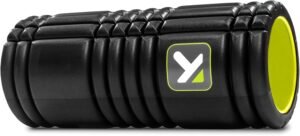
TriggerPoint Grid 1.0 Foam Roller &…
Whether you’re an athlete, an exercise junkie, or simply looking to relieve muscle pain, step up…
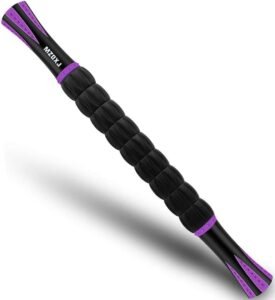
Muscle Roller Massage Roller Stick-…
Product description About MZDXJ: A Realm of Expert Sports Massage Add to Cart Add to Cart…
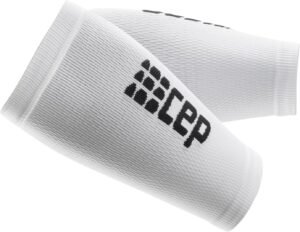
CEP Compression Forearm Sleeves for…
Strengthen your performance with CEP Compression Forearm Sleeves – designed for athletes, climbers, and professionals who…
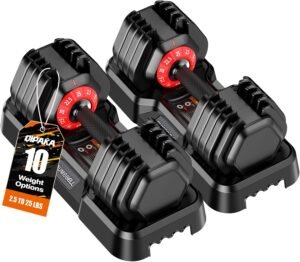
Adjustable Dumbbells Set All in One…
Revolutionize Your Fitness Routine!The QIPAKA adjustable dumbbell weight set features a 1-second instant adjustment system that…