How to Improve Your Balance, Flexibility, and Mobility
Balance, flexibility, and mobility are the foundation of safe, efficient movement—whether you’re lifting weights, running errands, or playing with your kids. Improving these traits reduces injury risk, eases daily tasks, and makes progress in strength and cardio training more sustainable.
If you want practical steps you can use today, this guide breaks down assessments, drills, strength progressions, recovery strategies, and simple tracking methods so you can build measurable improvements week to week. For gear and recovery tools that support these practices, check options at EveFitness.
Understand the difference: balance vs flexibility vs mobility
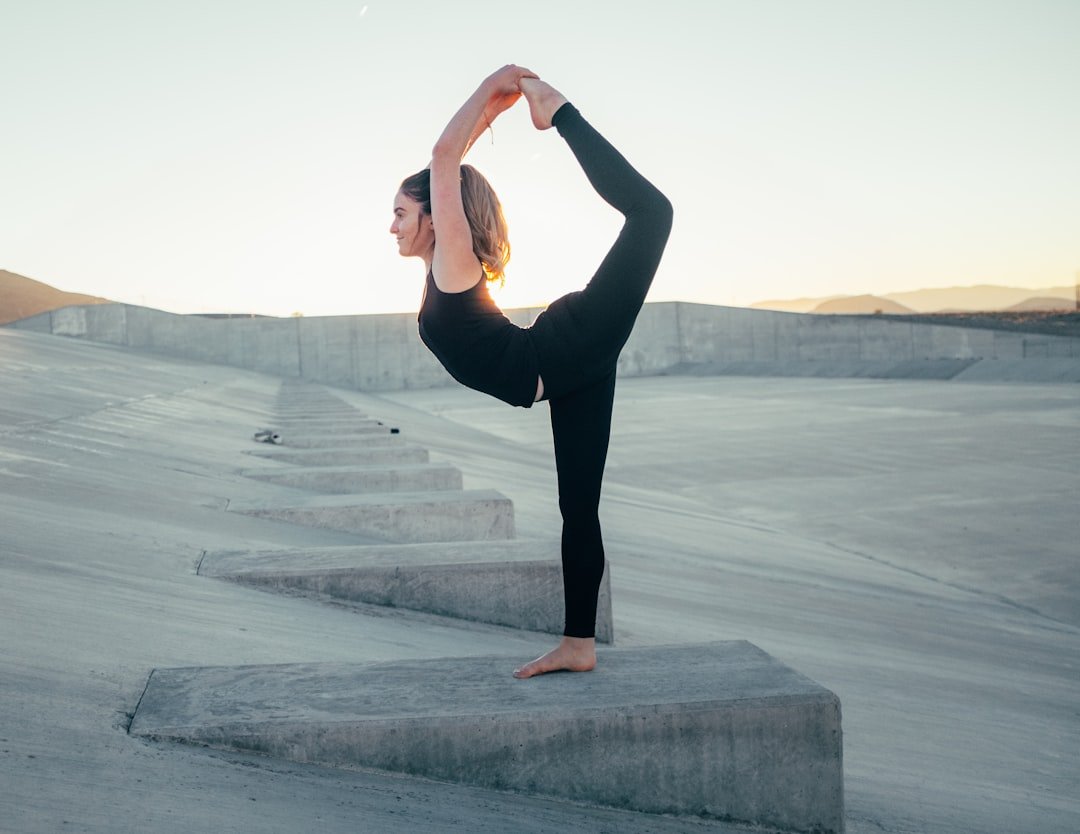
Balance is your ability to control your center of mass over your base of support. Flexibility is how much passive range tissues allow. Mobility is the usable, active range of motion at a joint when strength and control are added. Training should address all three: lengthen tight tissues, train joints through range, and add strength/control into that range.
Quick self-assessment to establish a baseline
Start with three simple tests you can repeat every 2–4 weeks: single-leg stand (eyes open, then closed), a forward fold or sit-and-reach for hamstring flexibility, and a squat-depth test to gauge hip/knee mobility. Record results with simple tools like a step-count device or smartwatch; even a basic pedometer is useful for tracking activity levels—consider the Realalt 3DTriSport pedometer if you prefer a dedicated tracker.
Warm-up and mobility drills (5–10 minutes)
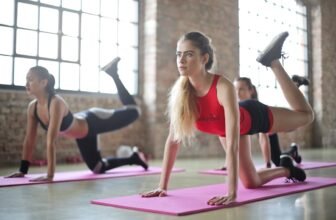
Spend 5–10 minutes before workouts on joint-specific mobility work. Focus on ankle circles, hip CARs (controlled articular rotations), thoracic rotations, and dynamic hamstring swings. Mobility aids like structured rollers make soft-tissue prep faster and more effective—try using Foam Rollers to loosen tight fascia and prime joints.
Stretching routines to increase flexibility
Pair dynamic stretching before activity and targeted static stretching after. For hamstrings and calves, perform active leg swings and then a 60–90 second static calf stretch post-workout. If you have persistent stiffness or need to warm tissue before deeper stretches, a topical or local heat source can help; a practical home option is Heating Pads for Muscle Pain, which increase tissue temperature and ease gentle lengthening.
Strength and stability exercises that improve balance
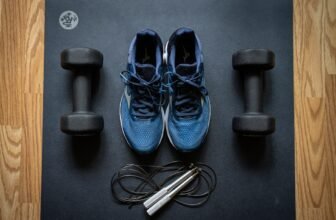
Strength is control through range. Prioritize unilateral and core-loaded movements: single-leg Romanian deadlifts, step-ups, lunges, and split squats. Progressive resistance tools like adjustable dumbbells let you tailor load carefully while maintaining form—adjustments are faster and safer with Adjustable Dumbbells for home or small-gym use.
Proprioception and progression drills
Proprioception training teaches your nervous system to sense joint position and react. Begin with double-leg balance, move to single-leg holds, then add perturbations (catching a ball) or surface changes (cushion or foam). To increase challenge as you improve, add external load sensibly—weighted vests offer progressive overload without changing movement pattern; consider the Zeerun Weighted Vest for controlled increments.
Soft-tissue care and targeted recovery
Mobility gains are lost if tissues remain chronically tight or inflamed. Use focused self-massage to break adhesions and restore glide—manual tools like roller sticks reach muscle bellies quickly; a handheld option is the Muscle Roller Massage Roller Stick. Combine this with contrast therapies or compression when appropriate for faster recovery.
Foot, ankle, and kinetic chain support
Many balance problems begin at the feet and ankles. Work on ankle dorsiflexion stretches, toe raises, and single-leg balance with eyes open and closed. If your feet are sore after training, targeted devices can improve circulation and reduce soreness—an electric option to help foot recovery is the KINGJOY Foot Massager.
Track progress, stay consistent
Use objective measures you recorded at baseline. Track single-leg hold time, squat depth, or step-up height weekly. A simple tracker simplifies accountability; if you prefer wearable feedback for daily activity, check devices in the pedometer and watch categories—start with a pedometer and upgrade when needed.
- Weekly: 2–3 strength sessions focused on unilateral exercises.
- Daily: 5–10 minutes of mobility and balance drills (short but consistent).
- Post-workout: 5–10 minutes of static stretching and foam rolling.
- Recovery: Use massage tools and heating/ice as needed to manage soreness.
To help with consistent tracking and hands-free training sessions, consider integrating a basic tracker like the Realalt 3DTriSport pedometer into daily walks and balance circuits.
Checklist: Daily and weekly routine
- Daily mobility 5–10 minutes (ankles, hips, thoracic).
- Balance practice 3–5 minutes (single-leg holds, progressions).
- 2–3 strength sessions per week emphasizing unilateral moves.
- Soft-tissue work (foam roll or roller stick) 2–3 times weekly.
- Track one metric (single-leg hold time or squat depth) weekly.
Frequently Asked Questions
- How long until I see improvements? Most people notice better balance within 2–4 weeks with consistent practice; measurable flexibility and mobility changes can take 4–12 weeks depending on tissue chronicity.
- Can I work on all three at once? Yes—combine short daily mobility and balance drills with 2–3 weekly strength sessions that load joints through range.
- Do I need special equipment? No—many drills use bodyweight. Tools like Foam Rollers and roller sticks speed recovery but aren’t required.
- Is balance training safe for older adults? Yes—start with supported holds, then progress to unsupported and eyes-closed as confidence grows. Use short sessions and prioritize safety (near a chair or wall).
- How should I warm up before balance work? A brief dynamic warm-up (marching, ankle circles, hip swings) is ideal; add foam rolling when tissues are very stiff.
Practical takeaway: build a simple, repeatable routine—daily mobility, short balance practice, and 2–3 strength sessions per week—and use modest tools (foam roller, roller stick, adjustable weights) to accelerate progress. Consistency and progressive challenge are the keys to safer movement and better function.
Products Featured in This Article
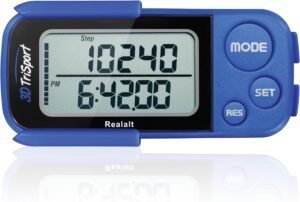
Realalt 3DTriSport 3D Walking Pedom…
From the brand Your Best Step – Better Health 🚶🏼 ✅ ACCURATELY TRACK YOUR ACTIVITY BY…
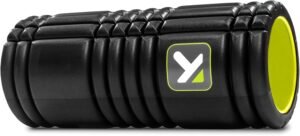
TriggerPoint Grid 1.0 Foam Roller &…
Whether you’re an athlete, an exercise junkie, or simply looking to relieve muscle pain, step up…
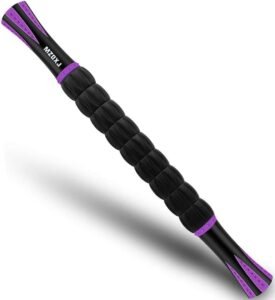
Muscle Roller Massage Roller Stick-…
Product description About MZDXJ: A Realm of Expert Sports Massage Add to Cart Add to Cart…
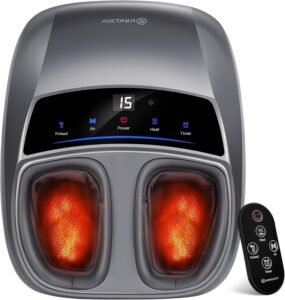
KINGJOY Foot Massager with Heat for…
Product description Product Dimensions : 16.22 x 13.31 x 7.01 inches; 5.8 pounds Item…
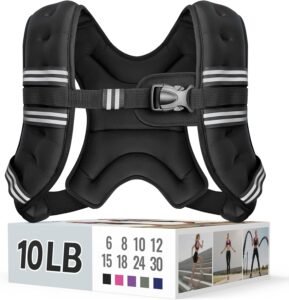
Zeerun Weighted Vest, 6lb/8lb/10lb/…
Product description No Fur【Upgraded Materials】 Made of skin-friendly neoprene with excellent internal sealing, Zeerun weighted vest…