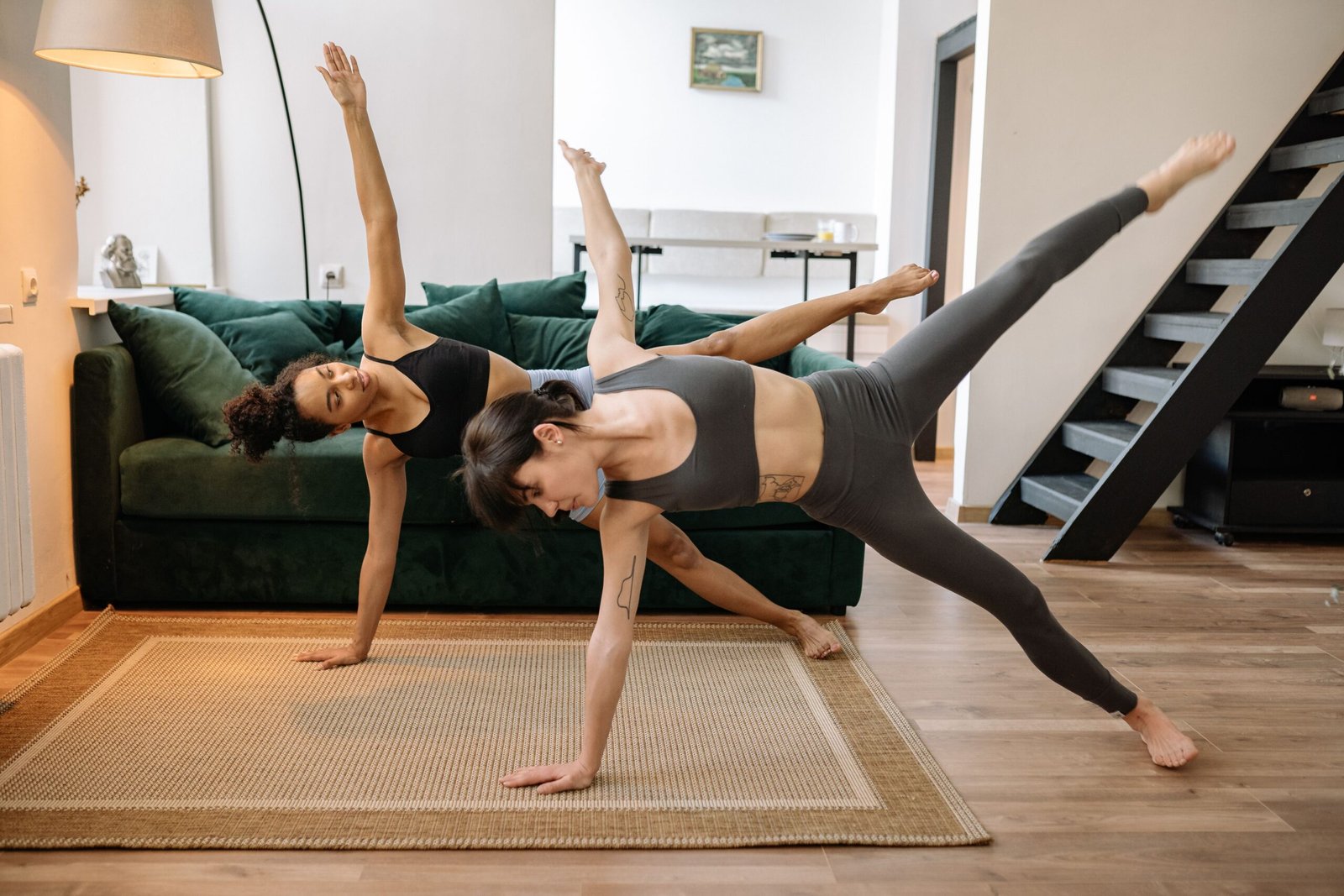
How to Create an Effective Workout Area at Home
Creating a dedicated home workout area makes it easier to stay consistent, reduces friction between intention and action, and improves safety and results. You don’t need a garage full of machines — thoughtful planning, a few key pieces of equipment, and smart organization are what matter most.
This guide lays out a practical, step-by-step approach to design a compact, versatile home gym that supports strength, cardio, mobility, and recovery. Follow these principles to build a space that fits your goals, budget, and living situation.
1. Define your goals and available space
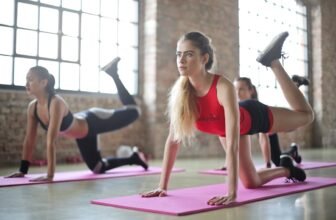
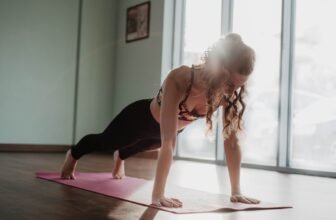
Start by listing the workouts you enjoy and want to do regularly: strength training, HIIT, yoga, walking, or mobility work. Measure the area you can dedicate—even 6×6 ft is enough for many routines. Think about noise, ceiling height, and how often the space needs to be cleared for other uses.
If you train with your phone or like guided workouts, secure phone storage and fast access to music or tracking adds convenience; a small accessory like a Running Phone Armbands can keep your device safe and hands-free during cardio and circuit sessions.
2. Choose compact, high-impact equipment
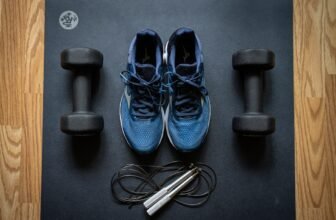
Focus on items that deliver the most movement options per square foot. Adjustable weights let you cover a wide strength range without multiple dumbbell pairs, which is ideal for small spaces. Consider a set of Adjustable Dumbbells to support progressive overload while keeping storage minimal.
For grip and hand protection during weight work, a pair of Weight Lifting Gloves is a small investment that improves comfort and longevity of your equipment.
3. Invest in tracking and motivation tools
Tracking progress increases adherence. If you run or do structured cardio, a reliable watch helps track distance, pace, and training load; look for options in the GPS Running Watches category. For strength or interval training, a simple heart-rate view gives immediate feedback—browse Heart Rate Monitors to pair with your workouts and inform intensity.
4. Prioritize flooring, layout, and safety
Flooring choice matters for joint protection and equipment stability. Interlocking foam tiles or a heavy-duty mat under a weight station reduce shock and deaden noise. Create clear zones: one for strength with weights, one for mobility/mat work, and one for cardio. Keep a small pathway to enter/exit safely and ensure ceiling clearance for overhead movements or kettlebell swings.
Place frequently used items within arm’s reach and heavier, less-used tools on lower shelves. Anchor taller storage and secure any free-standing mirrors or racks to avoid tipping.
5. Design a recovery corner
Recovery is part of progress. A compact recovery corner encourages post-workout routines that improve mobility and reduce soreness. Include tools like a foam roller and a roller stick for self-massage: consider category options such as Foam Rollers and Muscle Roller Sticks to relieve tight muscles and speed recovery.
For circulatory support and compression-based recovery after intense sessions, a pair of Compression Recovery Sleeves can be helpful to have on hand.
6. Lighting, ventilation, and ambience
Good lighting makes the space inviting and safer. Natural light is ideal, but bright LED lamps work well for early morning or evening sessions. Ensure ventilation to avoid stale air—open a window or use a fan. Add motivating touches like a lined-up playlist, a wall-mounted timetable, or a small plant to make the area feel intentional.
7. Storage, maintenance, and multi-use design
Use vertical storage like wall pegs, racks, and shelves to keep the floor clear. Hooks for bands, a small shelf for a towel and water bottle, and a low-profile rack for dumbbells keep the area tidy. Wipe down surfaces after use and keep a small basket for small accessories: resistance loops, skipping rope, and ankle weights.
8. Budget-friendly upgrades that matter
If you want to upgrade gradually, prioritize items that expand workout variety: a solid mat for mobility, adjustable dumbbells for strength, and a reliable watch or heart monitor for tracking. Small upgrades like a phone armband or quality gloves improve the experience and make workouts more consistent.
Quick checklist: What to set up first
- Designate space and measure floor area and ceiling height
- Lay down protective flooring or a durable mat
- Get one multipurpose strength tool (e.g., Adjustable Dumbbells)
- Buy protective grip wear (e.g., Weight Lifting Gloves)
- Choose basic recovery tools: Foam Rollers and Muscle Roller Sticks
- Add tracking like a GPS Running Watch or Heart Rate Monitor
- Organize storage and set a cleaning routine
FAQ
-
How much space do I really need?
Even a 6×6 ft area accommodates mat work, bodyweight circuits, and compact equipment. For loaded Olympic lifts, you’ll need more clearance and stable flooring.
-
Which single piece of equipment gives the most value?
Adjustable weights (like Adjustable Dumbbells) provide a wide range of resistance across many exercises while saving space.
-
How should I manage noise if I live in an apartment?
Use thick mats, avoid dropping heavy weights, and schedule higher-impact training at reasonable hours. Lighter, higher-rep training or resistance bands can replace heavy drops.
-
What recovery tools are most useful at home?
Foam rollers, muscle roller sticks, and compression sleeves are compact and effective; look at categories like Foam Rollers, Muscle Roller Sticks, and Compression Recovery Sleeves.
-
How do I keep motivated to use the space?
Set simple, measurable goals, track sessions with a watch or monitor, and make the space pleasant and easy to access—small conveniences like a Running Phone Armband or a tidy shelf can reduce excuses.
Conclusion
Designing an effective home workout area is about matching goals to space and prioritizing versatile, compact tools. Start with a clear plan, pick a few multipurpose items, add simple recovery and tracking tools, and organize for safety and accessibility. The smallest consistent setup beats an elaborate but unused gym—focus on what makes workouts easy to start and hard to skip.