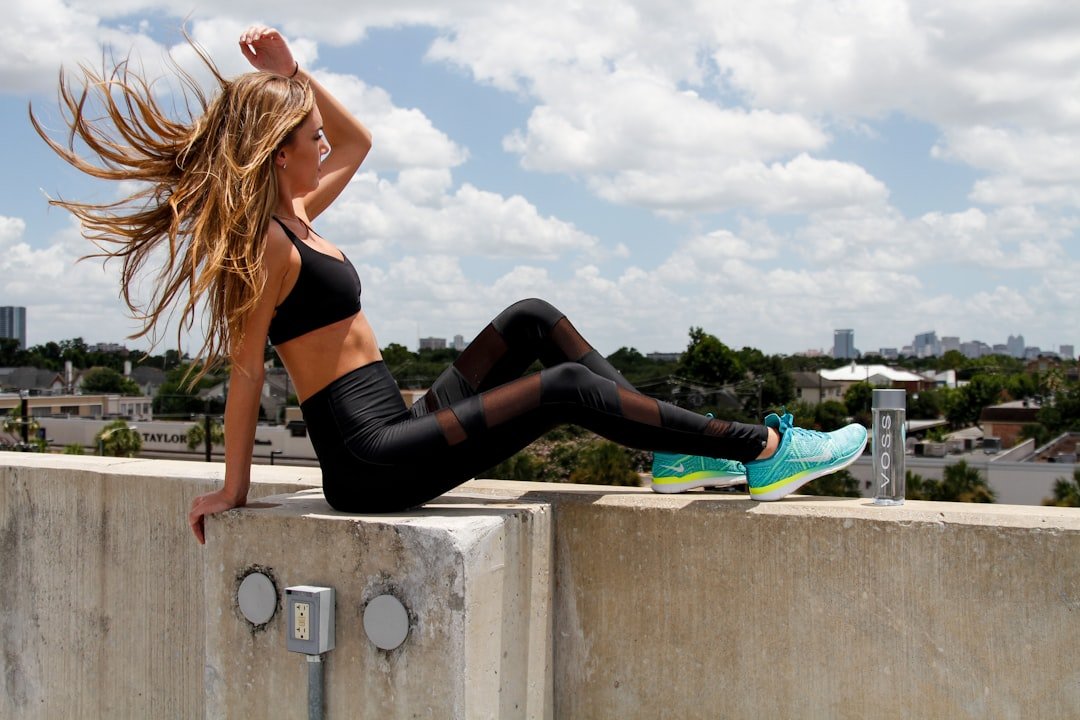
Choosing comfortable activewear isn’t just about looking good — it’s about moving freely, staying dry, and protecting your body so every workout feels better. The right pieces reduce distraction, prevent chafing, and help you get more from your training session.
If you’re shopping for reliable options, start with stores that focus on performance and fit. Browse curated selections like EveFitness to compare fabrics, cuts, and purpose-built designs before you buy.
Understand fabric performance: breathability, stretch and opacity
Look for fabrics that combine moisture-wicking with stretch. Polyester blends and nylon-spandex mixes wick sweat, dry quickly, and retain shape. If you’ll do high-sweat or hot-weather workouts, prioritize breathability and mesh panels. For compression pieces, check the garment’s recovery — high-quality Lycra or spandex should snap back without sagging.
Fit and cut: allow full range of motion
Fit is function. Test activewear by mimicking your workout movements: squat, lunge, reach overhead. Leggings should stay put at the waist without pinching; shorts shouldn’t ride up during lunges. If you layer, choose slightly slimmer base layers so mid-layers don’t bunch.
Support and compression: where to use it
Support needs vary by activity. High-impact exercise requires more chest support and firmer waistbands; strength training benefits from a stable core fit. After intense sessions, compression garments can speed recovery and reduce swelling — consider targeted pieces like Compression Recovery Sleeves for arms or legs post-workout to promote circulation and ease soreness.
Pockets, phone holders and hands-free options
Storage matters if you carry keys, cards or a phone. For runs and outdoor workouts, a dedicated phone holder keeps your device secure and accessible. A compact option to consider is Running Phone Armbands, which sit snugly on the upper arm and prevent bounce without shifting your stride.
For runners: waist belts versus armbands
Choose based on distance and what you carry. Short runs might be fine with an armband; longer routes often need a waist belt to distribute weight and store gels, a small bottle or keys. A well-fitted Running Waist Belts lays flat and won’t chafe, letting you focus on pace rather than gear.
Hydration and fueling: bottles and shakers that fit your routine
Hydration gear should be easy to access and clean. For sip-and-go hydration during workouts, insulated and spill-resistant options work best. Carry a reliable Sports Water Bottles to keep liquids cold and avoid spills while moving.
Post-workout nutrition: mixing and carrying shakes
Quick protein and carbs after a session aid recovery. A leak-proof shaker simplifies pre- or post-workout fueling, especially when you’re on the go. Keep a sturdy Protein Shaker Bottles in your gym bag so you can mix shakes quickly and cleanly.
Hygiene and small comforts: towels and sweat control
Sweat management matters in classes and shared gyms. A compact, absorbent towel wipes sweat and reduces slip risk on equipment. Pack a lightweight Gym Workout Towels to stay comfortable and respectful of shared spaces.
Recovery tools: foam rollers and beyond
Activewear matters pre- and post-workout: choose clothes that let you foam-roll and stretch properly. A good foam roller helps relieve tight muscles and improve mobility — pair your cool-down with a high-density Foam Rollers to target knots and speed recovery.
Care and longevity: washing and storage tips
Proper care extends activewear life. Wash technical fabrics on a gentle cycle, avoid high heat and steer clear of fabric softeners that can block moisture-wicking. Store garments folded or hung on non-slip hangers to preserve shape and elasticity.
Checklist: quick buying and care guide
- Confirm activity match: high-impact vs low-impact design.
- Check fabric content: aim for moisture-wicking blends with stretch.
- Test the fit: squat, lunge and reach to ensure full range of motion.
- Inspect seams and waistband construction for durability.
- Choose storage: armband, waist belt, or secure pockets as needed.
- Pack recovery tools: foam roller and compression pieces for post-workout care.
- Follow washing instructions: gentle cycle, air dry when possible.
FAQ
-
How tight should compression wear feel?
Compression should feel snug but not painful. It should support without cutting off circulation or causing numbness.
-
Are leggings with pockets worth it?
Yes — if you need hands-free storage for a phone or keys. Deep, secure pockets prevent items from bouncing during dynamic movement.
-
What fabric is best for hot-weather workouts?
Lightweight, breathable polyester blends with mesh panels are ideal for heat. Look for quick-dry labels and UPF protection if you spend time in the sun.
-
How do I prevent leggings from being see-through?
Test opacity by bending and squatting in natural light before purchase. Thicker high-quality fabric and higher denier counts reduce transparency.
-
Which accessories help maintain comfort during long runs?
Items like secure phone armbands, low-profile waist belts, and insulated water bottles will reduce distractions. Consider a towel and recovery tools for post-run care.
Conclusion
Choosing comfortable activewear is a mix of matching fabric and fit to your activity, prioritizing support where you need it, and adding smart accessories for convenience and recovery. Start with a realistic wear test, invest in a few purpose-built pieces, and care for them properly — small choices make every workout more productive and more enjoyable.