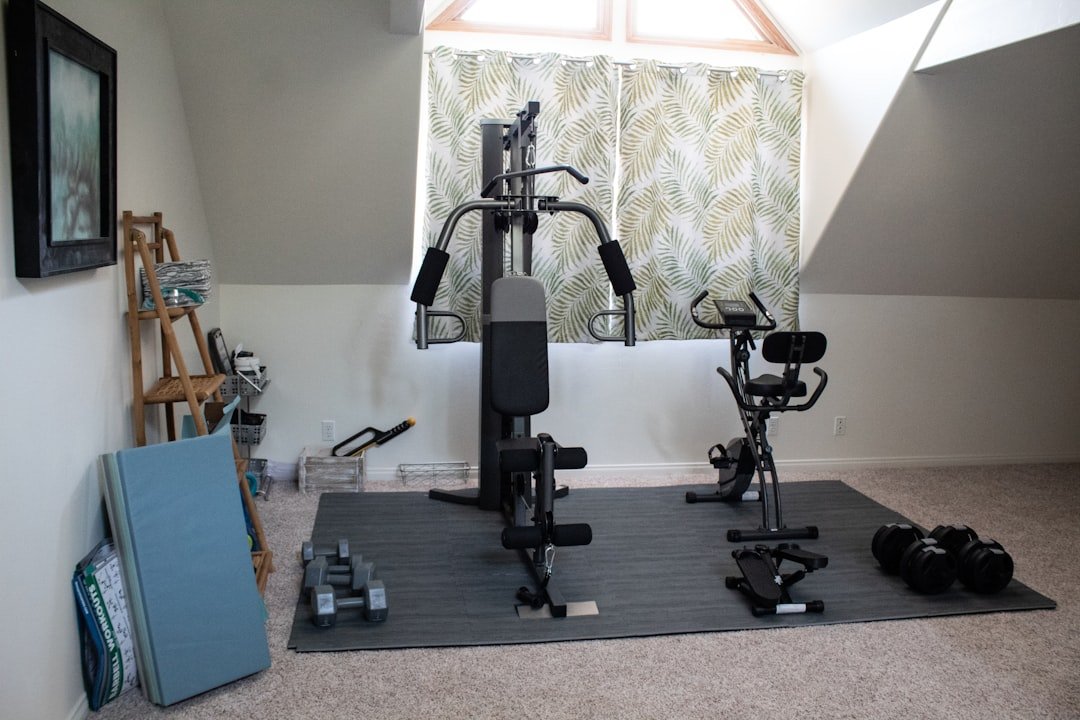
Making a home gym work in a small space means choosing equipment that gives you the most training value for the least footprint. With intentional choices you can get strength, cardio, mobility, and recovery without sacrificing living space.
This guide covers essential items for compact setups, how to use them effectively, storage tips, and simple routines that fit into tight apartments or spare corners. Practical recommendations and a short FAQ help you decide what to buy and how to organize it.
Choose versatile equipment first
When space is limited, prioritize tools that cover multiple exercises and training styles. Adjustable weights let you load, unload, and change resistance quickly so you can move from presses to rows in a single corner of the room. If you prefer shopping categories, check options for Adjustable Dumbbells to compare sizes and systems before buying.
Adjustable dumbbells: compact strength
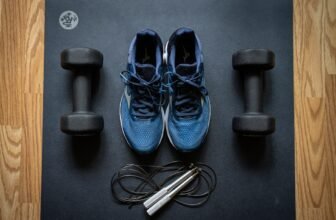
Adjustable dumbbells are the single best purchase for small spaces: they replace entire racks of plates while enabling compound lifts and unilateral work. Look for a set that changes weight quickly and sits on a compact cradle so it tucks away under a bed or in a closet. A solid example of a compact set built for home use is the Adjustable Dumbbells Set — All in One, which gives wide weight range while keeping footprint minimal.
Cardio without a treadmill
Cardio can be high-impact on space but low on equipment. Jump rope, HIIT bodyweight circuits, and short indoor walking or step routines deliver excellent conditioning without a big machine. A cordless or compact jump rope is ideal because it stores flat and lets you get effective intervals in a few square feet. Consider a compact option like the YOTTOY Skipping Rope for small rooms or shared housing.
Add wearable resistance
Wearable gear multiplies bodyweight training without adding bulky equipment. A weighted vest lets you progress push-ups, squats, and lunges while keeping the floor clear. Vests come in adjustable weights so you can gradually increase overload without buying new plates or machines. A practical, adjustable model is the Zeerun Weighted Vest, useful for walking, stair work, and strength circuits in tight spaces.
Recovery and mobility tools
Recovery is often overlooked in small-home setups, but compact recovery tools improve performance and reduce soreness. A firm foam roller supports mobility, self-massage, and core work with minimal storage needs—many roll up or stand vertically in a closet. For a durable, compact roller built for deep-tissue work, consider the TriggerPoint Grid 1.0 Foam Roller.
Space-saving extras and accessories
Small, multi-use accessories increase training options without stealing space. A handheld roller stick adds quick myofascial release after workouts and fits in a drawer or under a bench. It’s a compact complement to a foam roller and a handy item to keep near your training corner—see the Muscle Roller Stick as an example.
Small details that matter
Don’t ignore hydration, hygiene, and convenience—these improve consistency with less effort. Slim reusable bottles and a designated towel keep your space tidy and reduce excuses to skip sessions. For compact, durable hydration options designed for workouts, check the selection of Sports Water Bottles.
Designing a footprint-friendly layout
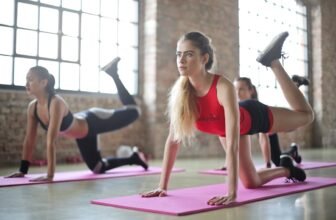
Measure the area you can dedicate to training and plan zones: one area for strength, one for mobility, and a small cleared floor section for cardio. Use vertical storage—hooks, wall shelves, and narrow mats—to keep equipment accessible but out of the way. Stackable crates or a slim rolling cart make transitions fast and reduce setup friction.
Programming that fits a corner
Focus on full-body routines that use the same equipment across exercises. Example week: two strength days with adjustable dumbbells, two short HIIT jump-rope sessions, and active recovery with rolling and mobility work. Short sessions (20–35 minutes) done consistently outperform longer infrequent sessions and suit small-space living.
Checklist: essential purchases and storage tips
- Adjustable weights or a compact dumbbell set
- Light cardio tool (jump rope or step) — compact and storable
- Weighted vest for progressive overload
- Foam roller or small recovery tools
- Handheld recovery stick for quick maintenance
- Designated mat and a minimal storage solution (hooks, shelf)
- Hydration and hygiene: Gym Workout Towels and a bottle
FAQ
- Q: How much space do I really need to start?
- A: A cleared area of roughly 6′ x 6′ is enough for most strength and mobility work; cardio like a jump rope needs just a little more ceiling clearance.
- Q: Are adjustable dumbbells worth the cost?
- A: Yes—if you want progressive strength without a rack. They compress many weight increments into a small base, saving space and money long term.
- Q: Can I get a good workout with bodyweight only?
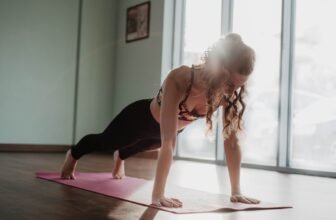
- A: Absolutely—progressions, tempo control, and wearable resistance (vests) make bodyweight training challenging and efficient for small spaces.
- Q: How should I store equipment in a studio or shared space?
- A: Use vertical storage, stackable bins, and under-furniture spots. Keep frequently used items visible and tucked away quickly with a rolling cart or netted basket.
- Q: Which single purchase gives the best return for a small space?
- A: Adjustable dumbbells are the most versatile single purchase, replacing multiple sets of free weights and enabling full-body strength programming.
Minimal space doesn’t mean minimal results. Prioritize versatile, multi-use gear, keep a small recovery kit, and plan short, consistent sessions. With the right items and storage strategy you can build a permanent, effective home gym that fits neatly into your life.
Products Featured in This Article
TriggerPoint Grid 1.0 Foam Roller &…
Whether you’re an athlete, an exercise junkie, or simply looking to relieve muscle pain, step up…
Muscle Roller Massage Roller Stick-…
Product description About MZDXJ: A Realm of Expert Sports Massage Add to Cart Add to Cart…
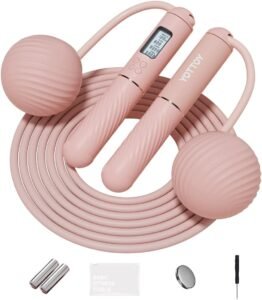
YOTTOY Skipping Ropes for Adults -C…
YOTTOY, established in 2012, is a popular sports brand among young people, driven by a passion…
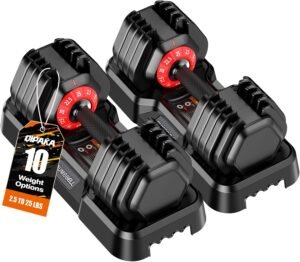
Adjustable Dumbbells Set All in One…
Revolutionize Your Fitness Routine!The QIPAKA adjustable dumbbell weight set features a 1-second instant adjustment system that…
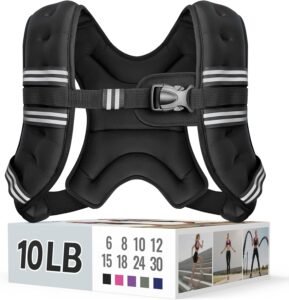
Zeerun Weighted Vest, 6lb/8lb/10lb/…
Product description No Fur【Upgraded Materials】 Made of skin-friendly neoprene with excellent internal sealing, Zeerun weighted vest…