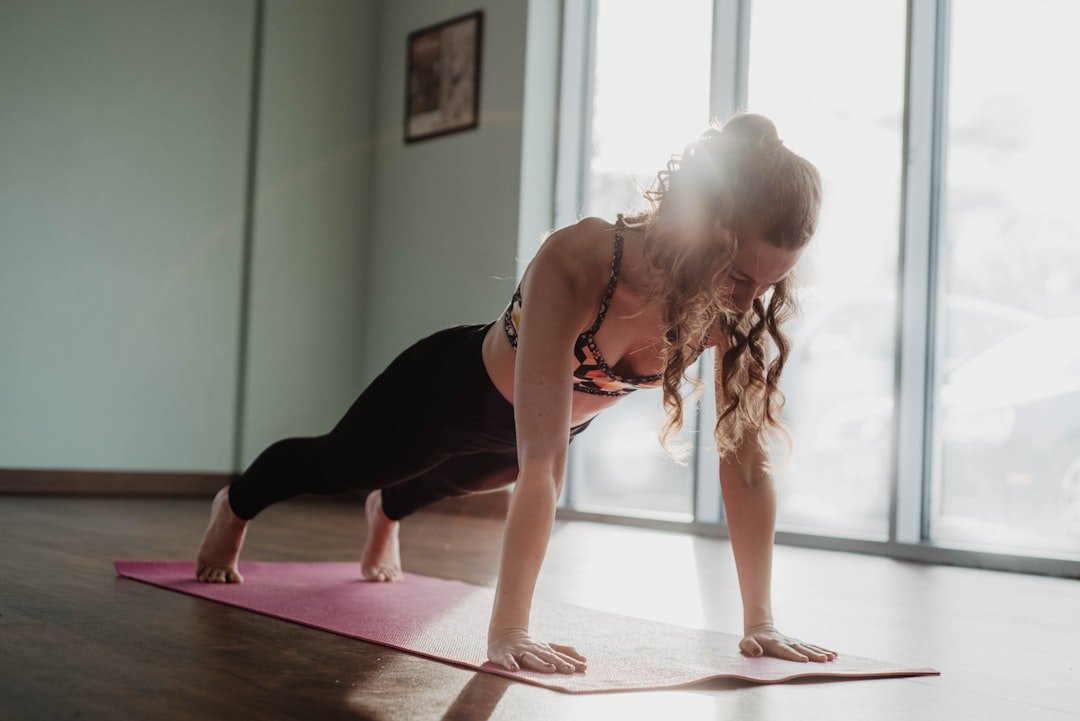
How to Rebuild Core Strength After Pregnancy
Rebuilding your core after pregnancy is a step-by-step process that honors the changes your body has gone through. It’s about restoring function—breath control, intra-abdominal pressure regulation, pelvic floor support and safe strength—rather than chasing a quick aesthetic fix.
This guide gives practical, evidence-based strategies you can apply at home, plus tools and a simple progressive plan to regain core stability safely. If you had complications or a C-section, check with your healthcare provider before starting; otherwise, use the timelines and progressions below as a roadmap.
Understand what “core” means after birth
Your core is a dynamic system that includes the diaphragm, deep abdominals (like the transverse abdominis), pelvic floor, and back muscles. Pregnancy stretches these tissues and can lead to diastasis recti (abdominal separation), pelvic floor weakness, and altered breathing patterns. Restoring coordinated function matters more than any single exercise.
For many people, external support can be helpful during early recovery. A well-fitting Postpartum Abdominal Binders can provide gentle compression and proprioceptive feedback while you re-learn safe movement patterns.
When to start: timing and red flags
Begin with gentle breathing and pelvic floor activation as soon as it’s comfortable—often within days to weeks postpartum. Avoid high-impact activity, heavy lifting, or intense core loading until bleeding subsides, incision sites are healed, and you’ve reconnected with your deep core muscles.
If you notice new or worsening pelvic pain, heavy pressure, bulging through the abdominal midline (signs of a worsening diastasis), or urinary or bowel dysfunction, pause and consult your clinician. Devices like the Perifit Pelvic Floor Trainer can assist targeted pelvic floor work once cleared, but they’re not a substitute for clinical assessment when symptoms are concerning.
Assess diastasis recti and pelvic floor
Self-assess for diastasis recti by lying on your back with knees bent, lifting your head slightly, and feeling along the midline for a gap. A gap larger than two finger-widths or a noticeable bulge when lifting often warrants professional evaluation. Even with a gap, safe progressive training can reduce symptoms and improve function.
Pelvic floor awareness is critical: practice gentle contractions (like stopping urine midstream—do this only as a test, not regularly) and observe whether contraction lifts internally or causes breath-holding and grimacing. The goal is coordinated lift-and-breath patterns, not fear-driven clenching.
Foundational breathing and activation exercises
Start every session with diaphragmatic breathing and gentle core activation to re-establish timing between breath and pelvic floor:
- Diaphragmatic breaths: 5–10 slow breaths, ribs expanding laterally, gentle pelvic floor engagement on the exhale.
- Pelvic tilts: supine, knees bent, rock pelvis to flatten and arch the lower back to restore mobility.
- Heel slides and bent-knee leg lifts: low-load movements emphasizing a soft transverse draw-in without bulging.
These foundational drills build motor control before adding load or dynamic movement.
Progressing strength: from control to functional load
When basic activation is consistent and symptoms are stable, progress in stages: increase repetitions, increase range of motion, introduce anti-extension/rotation tasks, and then add external resistances. Begin with bodyweight bridges and rows, then move to standing patterns that mimic daily tasks like lifting a child or groceries.
When you’re ready for weighted conditioning, tools like Kettlebells are excellent for hinge mechanics, loaded carries, and single-arm anti-rotation drills that train the core in real-world patterns. Start light and prioritize form: a controlled kettlebell deadlift or farmer carry trains core stability more than heavy but sloppy sit-ups.
Strength tools for safe progression
If you prefer adjustable weights at home, consider Adjustable Dumbbells to progress load incrementally. They let you scale resistance for rows, squats, and unilateral work—movements that build the hip-back-abdomen coordination your daily life demands.
Cardio, hydration and nutrition for recovery
Low-impact cardio (walking, low-resistance cycling, or mini-stepper sessions) supports conditioning without overloading the pelvic floor. Keep sessions short at first and build frequency before intensity.
Staying hydrated supports energy and tissue recovery; having a refillable Sports Water Bottles handy makes it easier to sip throughout the day, especially when nursing.
Post-workout protein helps muscle repair—using Protein Shaker Bottles can make on-the-go shakes convenient between feedings and training sessions.
Recovery, mobility and self-care
Mobility and soft-tissue care reduce stiffness that interferes with core function. A targeted foam rolling session can ease tight hips and low back tension; the TriggerPoint Grid 1.0 Foam Roller is useful for controlled myofascial release and mobility work.
For more focused fascial work and to relieve knots or trigger points, a handheld option like the Muscle Roller Massage Roller Stick is portable and quick to use while caring for your baby.
Sample 6-week progression (practical plan)
Week 1–2: Focus on breathing, pelvic floor activation, mobility, short walks. 10–15 min daily practice.
Week 3–4: Add 2–3 short strength sessions/week: bridges, rows, bird-dogs, standing carries. Increase walking duration. Introduce light kettlebell/dumbbell carries if ready.
Week 5–6: Add heavier compound movements with controlled load (squats, deadlifts, farmer carries), introduce short intervals of low-impact cardio. Progress reps/weights gradually and prioritize recovery tools and hydration.
Checklist: core rebuild essentials
- Start with diaphragmatic breathing and pelvic floor activation every session.
- Use gentle external support if it helps (e.g., binder) while rebuilding control.
- Progress from control to movement to load—don’t rush heavy core exercises.
- Include hip and back strength for functional core support.
- Prioritize sleep, hydration and protein to aid tissue recovery.
- Use mobility tools post-workout to reduce tightness and improve movement quality.
FAQ
How soon after delivery can I start core exercises?
Gentle breathing and pelvic floor reconnecting can begin early if comfortable. More intense loading should wait until bleeding has slowed, incisions are healed, and you’ve re-established basic activation. If you had complications, check with your provider.
What if I have diastasis recti—can I still get strong abs?
Yes—many people improve function and appearance with progressive training focused on coordination and graded loading. A professional assessment helps tailor exercises to your specific gap and symptoms.
Are crunches or sit-ups safe postpartum?
Not at first. Traditional crunches increase intra-abdominal pressure and can worsen bulging or pelvic floor symptoms. Opt for breathing-based activation and anti-extension/anti-rotation exercises before progressing toward any direct flexion exercises.
Will a belly binder “fix” my separation?
Binders provide support and can make movement more comfortable, but they don’t replace active rehabilitation. Use them as an adjunct while you retrain muscle control.
How do I know I’m ready to add weights?
You can add light weights when you can perform foundational activation exercises without bulging or breath-holding, and when daily activities feel manageable. Progress slowly and monitor symptoms.
Conclusion: practical takeaway
Rebuilding core strength after pregnancy is a gradual, functional process: restore breathing and pelvic floor control, progress to movement patterns that mirror daily life, then add measured load. Use supportive gear, progressive weights, and recovery tools to make training efficient and sustainable. Small, consistent steps win over quick fixes—aim for steady progress and a core you can rely on in real life.
Products Featured in This Article
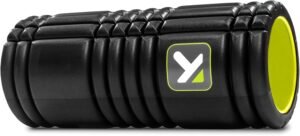
TriggerPoint Grid 1.0 Foam Roller &…
Whether you’re an athlete, an exercise junkie, or simply looking to relieve muscle pain, step up…
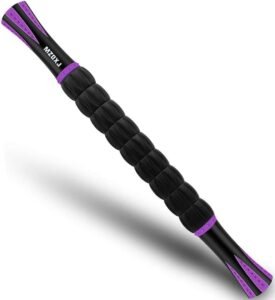
Muscle Roller Massage Roller Stick-…
Product description About MZDXJ: A Realm of Expert Sports Massage Add to Cart Add to Cart…
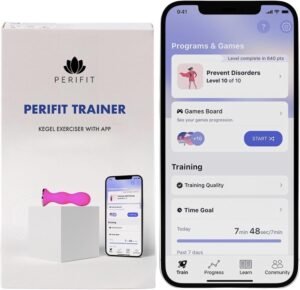
Perifit Pelvic Floor Trainer, Kegel…
Product description Package Dimensions : 5.51 x 3.23 x 1.65 inches; 5.61 ounces Item…