
Walking for Fitness: How to Make Every Step Count
Walking is one of the simplest, most sustainable ways to improve fitness. It requires no special skill, can be scaled to any level, and fits into busy schedules.
This guide covers how to make walking more effective: planning, form, tracking, gear, recovery, and how to progress without injury.
Why walking works
Walking delivers cardiovascular, metabolic, and mobility benefits with low joint stress when done consistently. It improves stamina, supports weight management, and can reduce sedentary time—small daily sessions add up.
For beginners and experienced movers alike, a structured approach turns casual steps into purposeful training. Explore the broader range of options at EveFitness for accessories and recovery tools that complement walking programs.
Set goals and track progress
Start with clear, measurable goals: steps, minutes, distance, or frequency. A reliable step count removes guesswork and motivates consistency.
If you want a simple tracker, consider a dedicated option like Digital Pedometers—they’re accurate for walking, easy to read, and less distracting than smartphones.
Measure intensity and manage effort
Progress comes from controlling intensity as well as duration. Use perceived exertion, pace, or heart rate zones to guide effort and avoid overtraining.
For objective feedback, Heart Rate Monitors let you walk in targeted zones (recovery, fat-burning, endurance) and adjust sessions to meet cardiovascular goals without guessing.
Use GPS and pace data to refine training
When you want structured workouts—tempo walks, intervals, or route tracking—a GPS device helps measure distance, pace, and elevation to ensure accurate progress over time.
Higher-end tracking like GPS Running Watches enable interval timers, route maps, and pace alerts so each session contributes directly to your goals.
Gear for comfortable, safe walks
Comfortable clothing and sensible footwear are the foundation. Beyond basics, practical carrying solutions make walks easier and safer—especially for longer outings.
For hands-free phone and small-item storage, a Running Phone Armband keeps your device secure and visible for music, calls, or apps while you move.
Storage, hydration and convenience on the go
If you prefer pockets or want water and keys close at hand, a low-profile belt keeps essentials stable without bounce. Waist belts are especially useful for walkers who like to bring snacks or a small bottle.
Look into Running Waist Belts for models with water bottle holders, multiple pockets, and reflective trim to improve convenience and safety on early-morning or evening walks.
Warm-up, mobility and simple strength additions
Five minutes of dynamic mobility—leg swings, ankle circles, hip openers—prepares tissues and reduces injury risk. Add short bodyweight strength sets twice weekly to build walking-specific strength (single-leg balance, step-ups, glute bridges).
After walking, use targeted soft-tissue tools to release tightness. A quality foam roller can speed recovery and improve mobility; consider the TriggerPoint Grid 1.0 Foam Roller for reliable, multi-density massage that helps ease calves, quads, and hips.
Relief for tired feet and ongoing recovery
Feet take a lot of traffic—especially if you increase volume. Ice, compression, gentle stretching, and dedicated foot massage improve circulation and comfort between sessions.
For sore or stiff feet after long walks, an electric option like the KINGJOY Foot Massager with Heat provides deep kneading and heat to reduce tightness and speed recovery when used sensibly.
Checklist: Make every walk productive
- Set a clear goal (steps/minutes/distance) for each week.
- Warm up 3–5 minutes before walking briskly.
- Maintain upright posture, relaxed shoulders, and midfoot strikes.
- Use a tracker or pedometer to monitor progress.
- Include one interval or hill session per week to raise intensity.
- Finish with mobility work and a short recovery routine.
- Invest in simple carrying gear to make walks consistent.
FAQ
How many steps a day should I aim for?
Start with your current average and add 500–2,000 steps per day gradually. Consistency beats an aggressive one-time jump.
Can walking build cardiovascular fitness?
Yes—brisk walking and interval walks raise heart rate and improve aerobic capacity over weeks. Use effort or a heart monitor to ensure sessions reach moderate intensity.
How fast should I walk to get benefits?
A pace that raises breath but still allows short conversation (moderate intensity) is effective. Faster paces and intervals yield greater fitness gains.
Do I need gadgets to improve walking?
No. Gadgets help with measurement and accountability; simple tools like a pedometer or heart-rate monitor can significantly improve adherence and progression.
How do I prevent common walking aches?
Prioritize good footwear, gradual increases in volume, regular mobility, and post-walk recovery (foam rolling, stretching). If pain persists, consult a professional.
Is walking enough for strength?
Walking builds endurance and burns calories but add 1–2 weekly strength sessions (bodyweight or light weights) to preserve muscle and bone health.
Conclusion
Walking is an effective, flexible fitness habit when approached deliberately: set measurable goals, monitor effort, use simple gear for comfort, and prioritize recovery. Start small, track progress, and add variety—then every step will truly count.
Products Featured in This Article
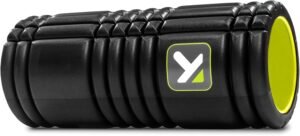
TriggerPoint Grid 1.0 Foam Roller &…
Whether you’re an athlete, an exercise junkie, or simply looking to relieve muscle pain, step up…
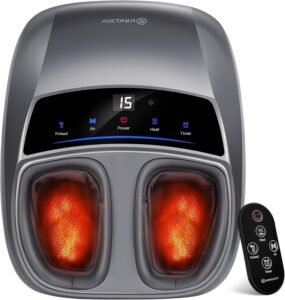
KINGJOY Foot Massager with Heat for…
Product description Product Dimensions : 16.22 x 13.31 x 7.01 inches; 5.8 pounds Item…