Beginner’s Guide to Strength Training for Women
Starting strength training can feel intimidating, but it’s one of the most effective ways to build strength, improve posture, boost metabolism, and protect bone health. This guide gives practical steps to start safely, progress steadily, and make strength training a sustainable part of your life.
No fancy equipment or extreme programs required—just clear principles, a few essential movements, and consistent practice. Below you’ll find beginner-friendly workouts, equipment recommendations, recovery tips, and answers to common questions.
Why strength training matters for women
Strength training builds lean muscle, improves functional strength for daily activities, reduces injury risk, and supports long-term metabolic health. For many women, lifting weights also improves confidence and body composition without needing long cardio sessions. Aim for 2–3 focused sessions per week to start seeing benefits.
Setting realistic goals and a simple plan
Begin by defining one or two measurable goals: for example, “squat with proper form for 3 sets of 10,” or “add 5–10 lbs to my dumbbell presses in 8 weeks.” Break goals into weekly mini-targets: frequency (2–3 workouts), key lifts to practice, and a rest/recovery plan.
Essential beginner exercises
Focus on compound movements that work multiple muscle groups:
- Squat (bodyweight, then add weight)
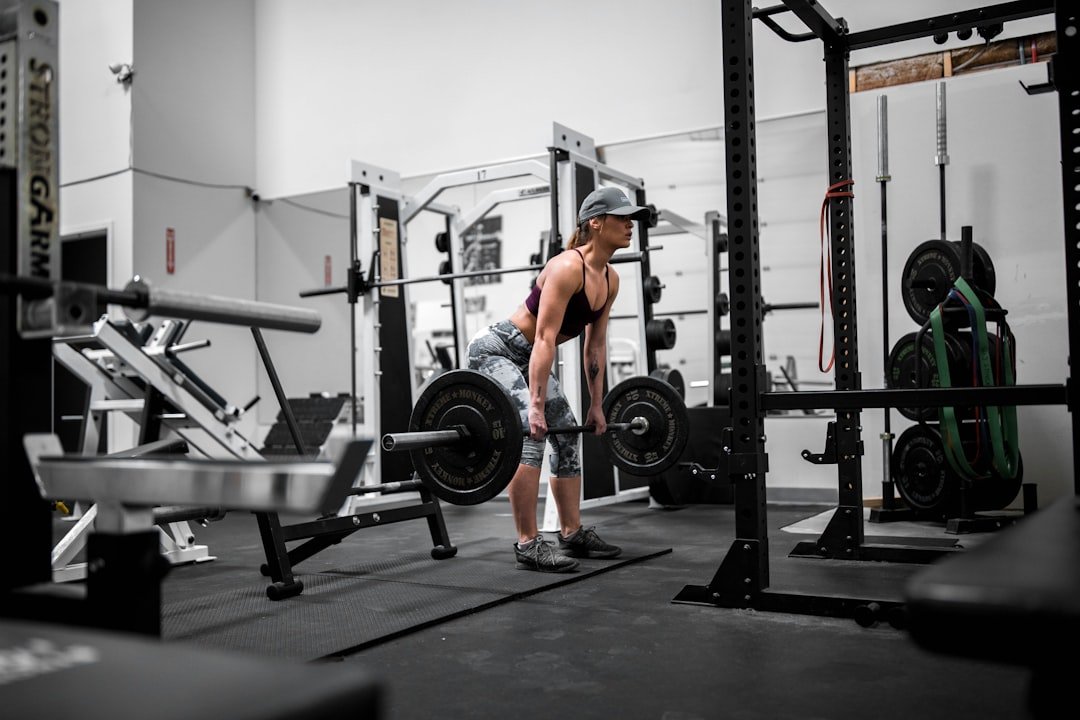
- Hip hinge / deadlift variation (Romanian deadlift or kettlebell deadlift)
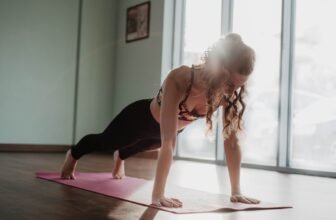
- Push pattern (push-ups or dumbbell bench/press)
- Pull pattern (rows or assisted pull-ups)
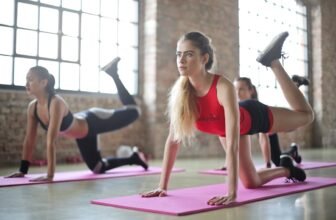
- Core stability (planks, dead bugs)
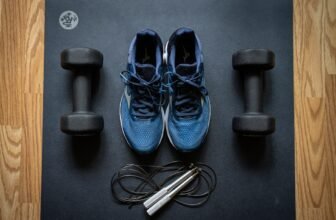
Start each exercise with 2–3 sets of 8–12 reps at a resistance that feels challenging but manageable. Use controlled tempo and prioritize technique over load. If you’re training at home, a compact set like adjustable dumbbells covers most beginner needs and takes up little space.
Sample 8-week beginner program
Weeks 1–4: Build a habit and learn movement patterns.
- Workout A (twice weekly): Squat 3×10, Push 3×8–10, Row 3×8–10, Plank 3x30s
- Workout B (once weekly): Hip hinge 3×10, Overhead or shoulder press 3×8–10, Lateral lunges 3×10 each, Dead bug 3×10
Weeks 5–8: Increase load slowly — add 2.5–5% weight or 1–2 reps per set each week. Track progress and adjust when sets become noticeably easier. For accurate intensity tracking and to pair zone-based cardio or recovery sessions, consider heart rate monitors.
Warm-ups, mobility, and prehab
A good warm-up raises body temperature and prepares joints: 5–8 minutes of brisk movement (marching, light cycling) followed by dynamic mobility for hips, shoulders, and thoracic spine. Foam rolling or targeted self-massage can reduce stiffness before sessions—tools like the TriggerPoint Grid foam roller are useful for improving tissue mobility and circulation.
Progression: how and when to increase load
Use two simple progression rules: increase reps first, then weight. If you can complete the top of your rep range with good form across all sets for two sessions in a row, add weight on the next workout. Keep a short training log—date, exercises, sets, reps, and perceived effort—to notice trends and avoid stagnation.
Recovery and managing soreness
Recovery is where gains happen. Prioritize sleep, balanced nutrition, and active recovery. For post-workout soreness, practical tools can accelerate comfort and mobility: a handheld massage tool like the muscle roller stick is portable and effective for self-massage after workouts.
For focal support and circulation during recovery, consider targeted compression options such as compression forearm sleeves—they’re useful if you experience arm fatigue from repetitive lifting or need extra support during longer training days.
If you need acute icing for a hot, specific injury or swelling, reusable ice packs are a safe option to manage inflammation when used correctly; keep a set of reusable cold therapy packs in your kit for first-response care.
Nutrition, hydration, and basic fueling
Protein and total calories matter for strength gains. Aim for a balanced meal with protein (20–30 g), carbs for training fuel, and some healthy fat within a couple hours of hard sessions. For on-the-go convenience, a dedicated shaker can help mix a post-workout protein drink—check out compact protein shaker bottles to keep handy.
Hydration matters for performance and recovery; carry a durable water bottle and sip during workouts. A practical sports bottle makes regular hydration more likely—consider a reliable sports water bottle for the gym or home sessions.
Practical tips for consistency and safety
- Schedule workouts like appointments and stick to 2–3 weekly sessions for the first 8 weeks.
- Learn technique from trusted sources or a certified coach; quality beats quantity.
- Use manageable progressions: small, frequent increases avoid injury.
- Include deload or light weeks every 4–8 weeks depending on fatigue.
Quick checklist before your first month
- Set 1–2 clear goals and commit to 2–3 weekly sessions.
- Learn and practice the five essential movements (squat, hinge, push, pull, core).
- Gather basic equipment: adjustable weights or resistance options and a mat.
- Plan nutrition and sleep to support recovery.
- Have basic recovery tools on hand (foam roller or stick, cold pack if needed).
FAQ
- How soon will I see results? Expect neuromuscular improvements (better technique, strength feeling easier) within 4–6 weeks and visible changes in 8–12 weeks with consistent training and nutrition.
- Do I need heavy weights? No—start with a weight that challenges you for 8–12 reps with good form. Progression over time matters more than starting extremely heavy.
- Will strength training make me bulky? Strength training typically builds lean muscle and shape rather than bulk; achieving a “bulky” look requires specific training and often higher calorie intake than most beginners aim for.
- How should I manage soreness? Light activity, gentle stretching, self-massage, and adequate protein and sleep help. Tools like foam rollers and muscle sticks support recovery but use them gently on very sore muscle tissue.
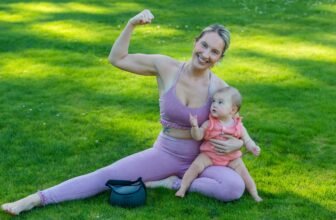
- Can I strength train during pregnancy or postpartum? Many women can continue modified strength work with professional guidance; for postpartum return, prioritize pelvic floor recovery and consult a qualified clinician or trainer for personalized progression.
Strength training for beginners is about consistency, good technique, and gradual progression. Start with a simple plan, use a few reliable tools, track progress, and prioritize recovery. With steady practice you’ll build strength, resilience, and confidence—one session at a time.
Products Featured in This Article
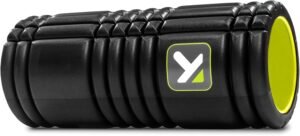
TriggerPoint Grid 1.0 Foam Roller &…
Whether you’re an athlete, an exercise junkie, or simply looking to relieve muscle pain, step up…
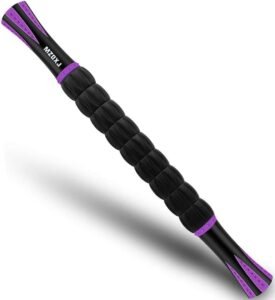
Muscle Roller Massage Roller Stick-…
Product description About MZDXJ: A Realm of Expert Sports Massage Add to Cart Add to Cart…
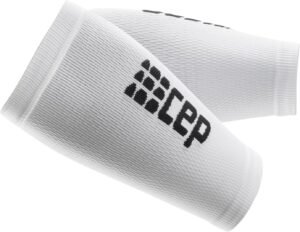
CEP Compression Forearm Sleeves for…
Strengthen your performance with CEP Compression Forearm Sleeves – designed for athletes, climbers, and professionals who…