The Best Weekly Fitness Schedule for Busy Women
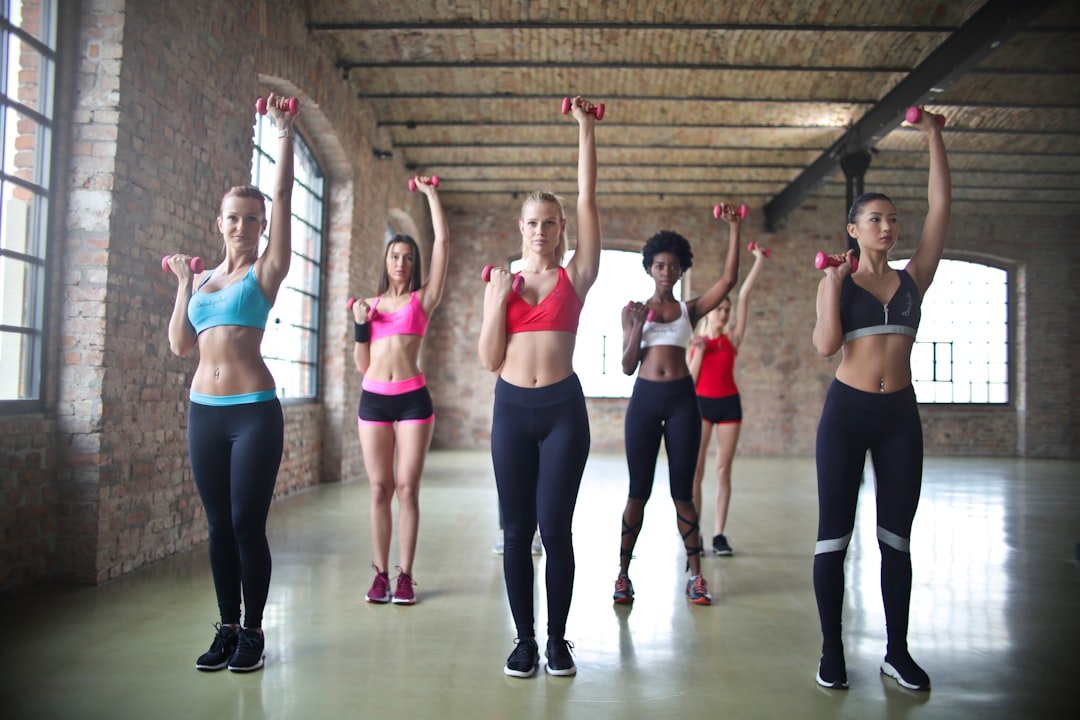
Busy schedules don’t have to mean workouts fall off the calendar. With focused sessions, smart recovery, and a repeatable weekly plan, you can make meaningful progress in strength, cardio and mobility without sacrificing family time or work. This guide lays out a realistic, efficient weekly fitness schedule tailored to women who juggle many priorities.
Want equipment and recovery tools that make small windows of time more effective? Browse our selection at EveFitness for essentials that support a sustainable routine.
Why a weekly plan beats ad-hoc workouts
A simple weekly blueprint removes decision fatigue. It ensures you balance intensity and recovery, avoids overtraining, and builds consistency. For busy women, the goal is not more hours but higher-quality sessions and measurable progress.
Tracking key metrics like heart rate and session duration helps you prioritize the right effort on short timelines; consider a dedicated device such as a Heart Rate Monitors to stay efficient and prevent wasted workouts.
Sample weekly schedule (45–60 minutes max on workout days)
This schedule fits around a 40–50 hour workweek and family commitments. Swap days as needed, but keep the order so higher-intensity sessions are followed by lower-intensity or recovery-focused days.
- Monday — Strength (full-body): 35–45 minutes
- Tuesday — Low-impact cardio + mobility: 30–40 minutes
- Wednesday — HIIT or intervals: 20–30 minutes
- Thursday — Strength (lower-body focus) + core: 35–45 minutes
- Friday — Active recovery (walking, mobility): 20–40 minutes
- Saturday — Longer steady cardio (run, bike, hike): 45–60 minutes
- Sunday — Rest or gentle yoga/stretching: 20–30 minutes
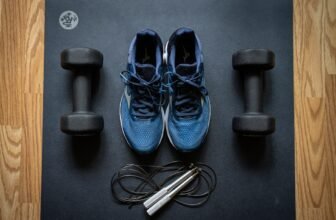
For effective strength sessions at home, adjustable weights compress many options into a small footprint—consider Adjustable Dumbbells to vary loads quickly and get more done in limited time.
Morning routines that boost energy and adherence
A short morning routine primes the body and sets intention. Aim for 10–15 minutes of movement on non-strength days: dynamic stretches, a brisk walk, or a mobility flow. Hydration and fueling matter—carry a dedicated bottle to workouts so you don’t skip sipping during short sessions.
Practical gear like a durable Sports Water Bottles makes it easier to stay hydrated before and after sessions, which improves energy and recovery without fuss.
Strength training: efficient structure for busy days
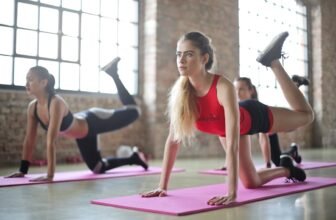
When time is scarce, prioritize compound moves (squats, deadlifts, push patterns, rows, hip hinges). Use a 3-round circuit: two strength exercises (8–12 reps) plus one accessory or core move, 60–90 seconds rest between rounds. That builds strength and maintains heart rate.
If you want to increase intensity without extra gym time, wearable resistance like a Zeerun Weighted Vest can amplify bodyweight work and walking sessions, delivering greater stimulus in the same time window.
Cardio and HIIT options for maximum efficiency
Cardio doesn’t have to be long to be effective. Two structured options work well for busy women:
- Short HIIT (20 minutes): 30–40 seconds hard effort, 20–30 seconds rest, repeat 8–10 rounds. Use bodyweight moves, cycling, or sprint intervals.
- Steady-state (45–60 minutes): brisk walk, jog, or bike at a conversational pace to build aerobic base.
No-equipment, high-return tools like the YOTTOY Skipping Ropes are perfect for short, high-intensity sessions you can do in a driveway or living room.
Recovery and mobility: protect your gains
Recovery is where progress happens. Schedule short mobility sessions on active recovery days and use targeted recovery tools to speed return to full training. Ten to fifteen minutes of foam rolling or myofascial work post-workout reduces tightness and improves movement quality.
Products like the Foam Rollers are a small time and space investment that deliver consistent benefits—use them for calves, quads, glutes and back after harder sessions.
Fitting workouts into broken-up schedules
When uninterrupted blocks aren’t available, use micro-workouts. Three 10–15 minute sessions across the day can equal one 40-minute session in terms of calorie burn and stimulus if intensity and focus are maintained.
To measure incidental movement and nudge yourself toward activity on busy days, a compact tracker like a Digital Pedometers helps set achievable daily step goals and keeps accountability simple.
Gear that saves time and reduces friction
Choose multi-use items: adjustable weights, a skipping rope, a smartwatch or simple pedometer. Carry a ready-to-go gym bag with small essentials so you never miss a session because you forgot a bottle or towel.
Consider packing a small kit of recovery tools (foam roller, massage stick, cooling pack) to treat acute soreness quickly and avoid extended downtime.
Quick checklist
- Pick 3 primary weekly goals: strength, cardio, mobility.
- Schedule workouts in calendar like appointments.
- Keep 2–3 quick routines (20, 30, 45 minutes) ready.
- Use a hydration bottle and tracker to maintain habits.
- Prioritize sleep and two recovery sessions weekly (foam roll, mobility).
FAQ
Q: How many days should I train per week?
A: Aim for 4–6 days with at least one full rest day; mix strength, cardio and active recovery so intensity is distributed.
Q: What if I have only 20 minutes?
A: Do a focused HIIT or a full-body circuit. Short, high-intensity work can maintain gains and improve conditioning when repeated consistently.
Q: How do I avoid injury when squeezing workouts into a busy week?
A: Prioritize movement quality and recovery. Use mobility, adequate warm-ups, and tools like foam rollers to reduce risk; scale loads conservatively after missed sessions.
Q: Should I track progress, and how?
A: Yes. Track consistent metrics—weight lifted, reps, time, step count, or heart rate. Simple devices like pedometers or heart-rate monitors make tracking easy and objective.
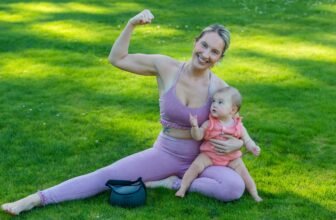
Q: Can I follow this schedule while pregnant or postpartum?
A: Modify intensity and exercises per trimester or post-birth recovery. Consult care providers for individual guidance. For postpartum support, targeted tools (pelvic floor trainers and abdominal binders) can assist recovery when recommended by a clinician.
Conclusion — one practical takeaway
Start with a simple, repeatable weekly framework: two strength days, two cardio or HIIT sessions, one longer aerobic session, and two recovery/light days. Equip yourself with a couple of time-saving tools—like adjustable weights, a water bottle, or a foam roller—and track small wins. Consistency, not perfection, produces lasting results.
Products Featured in This Article
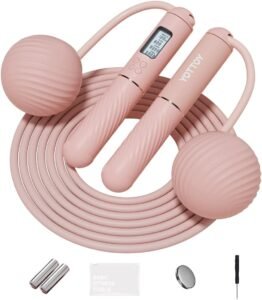
YOTTOY Skipping Ropes for Adults -C…
YOTTOY, established in 2012, is a popular sports brand among young people, driven by a passion…
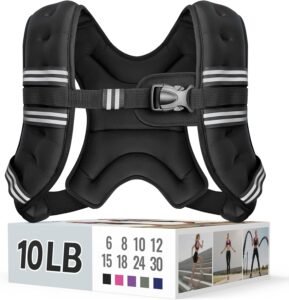
Zeerun Weighted Vest, 6lb/8lb/10lb/…
Product description No Fur【Upgraded Materials】 Made of skin-friendly neoprene with excellent internal sealing, Zeerun weighted vest…